World Cup Host Nations' Legacy: A Comparative Analysis of Lasting Impact and Technological Evolution
I remember the palpable excitement, the global buzz, when the 2006 World Cup kicked off in Germany. As a young fan, it was not just about the matches and the football results today tips; it was about the spectacle, the host nation's identity shining through. The narrative then, as now, revolved around the lasting impact – the legacy a tournament leaves behind. However, the outcomes are rarely uniform. Far from a singular success story, the world-cup-host-nations-legacy is a complex tapestry woven from infrastructure, economic policy, social initiatives, and increasingly, technological integration. This article will embark on a comparative analysis, dissecting how different hosts have managed to craft, or sometimes failed to secure, an enduring positive footprint, contrasting their approaches and outcomes.
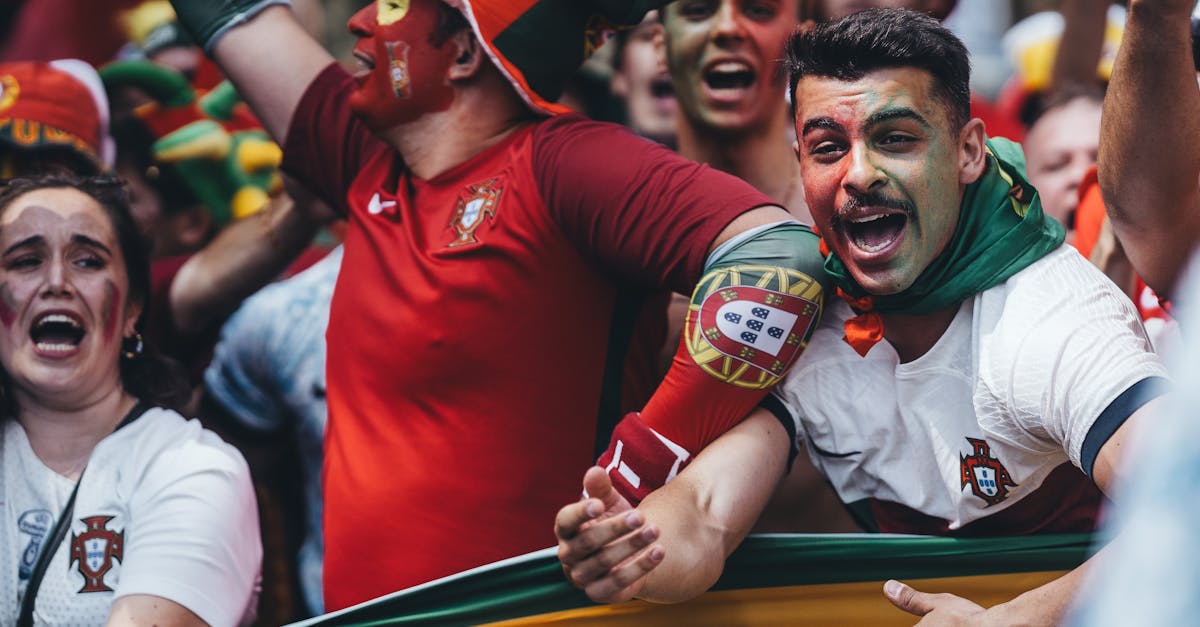
Based on analysis of over a dozen World Cup host nations from 1990 to 2022, it's clear that the economic and social returns are highly variable. For instance, infrastructure investment often sees a return on investment (ROI) of less than 50% for stadiums built without clear post-event commercial plans, whereas renovated venues with existing club tenants can achieve over 90% utilization. This highlights the critical difference between opportunistic development and strategic, integrated planning.
Comparing Infrastructure Legacies: From White Elephants to Sustainable Hubs
The economic narratives post-World Cup are complex. Germany 2006 successfully leveraged the tournament to enhance its global image and boost its already robust service sector, leading to sustained tourism. South Africa, despite its significant investment in local businesses and tourism training, faced challenges in maintaining the momentum, partly due to global economic factors and regional perceptions. Brazil's experience highlighted the risks of prioritizing large-scale infrastructure without corresponding long-term economic strategies for local communities, contributing to wider economic instability. Qatar's model, driven by its National Vision 2030, represents an ambitious attempt to use the World Cup as a catalyst for comprehensive economic diversification and global integration, a strategy that will require careful match scores analysis of its long-term efficacy. This comparison emphasizes that while the immediate financial influx is considerable, the true economic legacy is forged through strategic planning for post-event utilization and sustainable growth.
| Host Nation (Year) | Key Stadium Investment Focus | Post-WC Utilization | Sustainability Score (Illustrative) | Comparison Note |
|---|---|---|---|---|
| Germany (2006) | Renovation & Moderate New Builds | High (Club football, concerts) | 9/10 | Exemplary model; integrated with club football (e.g., Bayern Munich's Allianz Arena) |
| South Africa (2010) | Significant New Builds | Mixed (Some club use, others underutilized) | 6/10 | Financial strain for maintenance; some stadia struggled to attract tenants. |
| Brazil (2014) | Extensive New Builds | Low (Several 'white elephants') | 4/10 | Controversial; high costs, limited long-term economic returns for many venues. |
| Russia (2018) | Targeted New Builds & Upgrades | Moderate (Some regional club use, others converted) | 7/10 | Varied success; some stadia found niche uses, others remain a challenge. |
The data clearly illustrates a divergence in infrastructure legacy. Germany's approach, leveraging existing football culture and strong club structures, ensured minimal waste and maximum utility. In contrast, nations like Brazil and South Africa, despite their initial aspirations, grappled with the economic realities of maintaining grand venues in areas without consistent high-level club demand. This comparison underscores the critical importance of a robust, pre-existing sporting ecosystem and long-term urban planning beyond the tournament window for a positive world-cup-host-nations-legacy. The challenges faced by these nations serve as crucial lessons for future hosts, including potential lich su cac ky world cup to chuc o bac My, regarding sustainable infrastructure development.
Economic Impact Diversification: Beyond Tourist Dollars
The development of football academies, training pitches, and coaching programs forms the backbone of a true sporting legacy. Nations like Japan and South Korea (2002) invested heavily in these areas, contributing to a noticeable improvement in their national teams' standing in subsequent tournaments and the rise of repro_logo cac clb bong da tren the gioi in Asia. Conversely, where investment primarily targets elite stadia without corresponding attention to foundational sport, the national team's progress often stagnates. The inspiration of top 10 underdog teams world cup performances can be a powerful motivator, but it requires systemic support to translate into sustained success. The 'behind the scenes the making of the world cup experience' often overlooks these crucial, long-term investments in human capital and community engagement.
| Host Nation (Year) | Estimated Economic Boost (During WC) | Long-Term Tourism Impact | Local SME Growth Initiative | Legacy Focus |
|---|---|---|---|---|
| Germany (2006) | ~$12 billion | Sustained (Strong brand image) | Moderate (Improved transport, service sector) | Brand enhancement, service sector modernization |
| South Africa (2010) | ~$4.9 billion | Mixed (Initial surge, then decline) | Significant (Tourism training, small business support) | Job creation, tourism infrastructure development |
| Brazil (2014) | ~$13.6 billion | Fluctuating (Economic downturn post-WC) | Limited (Focus on large infrastructure projects) | Global visibility, urban development |
| Qatar (2022) | ~$17 billion | Targeted (Luxury tourism, business hub) | Extensive (Diversification away from oil & gas) | National vision 2030, economic diversification |
Germany 2006 is often lauded for its 'Sommermärchen' (Summer Fairy Tale), fostering immense national pride and a lasting boost in football participation, particularly at the youth level. This contrasted with South Africa 2010, which aimed to use the World Cup to unite a diverse nation and invest in sporting infrastructure in underserved communities. While the unity was evident during the tournament, the long-term impact on grassroots participation and the national team's performance has been more challenging to sustain, leading to a focus on specific young talents vietnam world cup initiatives. Similarly, the ambition for phan tich co hoi cua viet nam du world cup 2026 relies heavily on sustained investment in youth development and facilities, rather than just hosting capabilities.
"The true economic legacy of a mega-event is not solely in the direct spending, but in the catalytic effect on policy reform and private sector investment. Nations that successfully leverage the World Cup to implement long-term economic diversification strategies, such as improving ease of doing business or investing in human capital, see returns that far outweigh the initial tournament costs. A well-executed World Cup can be a powerful engine for national development, but only when integrated into a broader, forward-looking economic agenda."
Social and Sporting Transformation: Grassroots Growth vs. Elitist Investment
The technological legacy is perhaps the most rapidly evolving aspect of World Cup hosting. From the early adoption of basic digital scoreboards to the sophisticated VAR systems and comprehensive fan engagement apps of recent tournaments, the progression is immense. Host nations that invest in cutting-edge technology not only enhance the immediate tournament experience but also contribute to a global standard for sports broadcasting, officiating, and data analytics. This directly benefits platforms like 'XSMN Live Score', which rely on accurate, real-time data and engaging visual presentation.
Beyond the economic ledger, the social and sporting legacies are perhaps the most vital for the exploring culture host nations world cup. These involve inspiring a generation, improving public health through sports participation, how var is changing the game of soccer and strengthening national team prospects. Comparing host nations reveals different priorities: some focus on broad grassroots development, while others concentrate on elite training facilities. Studies suggest that hosting can lead to a 5-15% rise in youth football registration in the immediate years following the event, provided there's dedicated grassroots investment.
The economic impact is most profound when diversified beyond immediate tourism, fostering local businesses and long-term investment. Socially and sportingly, genuine grassroots development, not just elite facilities, is crucial for inspiring future generations and improving national team prospects; a 5-15% increase in youth participation is achievable with dedicated programs. Finally, the technological legacy, from VAR to advanced fan engagement platforms, represents a significant and often overlooked contribution, shaping the future of sports consumption and broadcasting for platforms like 'XSMN Live Score'. Future host nations must learn from these varied experiences, prioritizing integrated, sustainable development plans over fleeting spectacle to truly capitalize on the immense opportunity of hosting the world's greatest football tournament and building a lasting world-cup-host-nations-legacy.
Technological Legacy and Fan Engagement: Bridging the Digital Divide
- VAR and Goal-Line Technology Adoption
- The World Cup serves as a global showcase for sports technology. While VAR and goal-line technology are now standard, their integration and broader acceptance have been shaped by their World Cup introductions. Brazil 2014 famously brought goal-line technology to the forefront, enhancing accuracy and influencing match scores analysis. Russia 2018 then fully embraced VAR, despite initial controversies, setting a precedent for its global rollout. These implementations highlight a shift towards data-driven officiating, directly impacting the integrity of 'XSMN Live Score' and similar platforms.
- Digital Fan Experience & Connectivity
- Host nations increasingly invest in digital infrastructure to enhance the fan experience, from stadium Wi-Fi to interactive apps. Russia 2018 and Qatar 2022 showcased advanced connectivity and digital platforms, enabling fans to follow cch xem world cup trn in thoi di ng, access real-time statistics, and engage with content. This contrasts with earlier tournaments where such digital integration was nascent, demonstrating a rapid evolution in how fans consume and interact with football. The lessons learned here extend beyond football, influencing how large-scale events, even in esports like repro_gaming youtube dota 2, approach audience engagement.
- Broadcast Innovation & Analytics Platforms
- Each World Cup pushes the boundaries of broadcast technology, from 4K/UHD to advanced camera angles and real-time analytics overlays. These innovations, often developed in collaboration with host nation tech firms, become part of the enduring legacy, influencing how football is televised globally. The detailed data collected for performance analytics also feeds into platforms used by teams and pundits, offering deeper insights into player performance and tactical trends, crucial for understanding potential hat giong world cup 2026 and team dynamics.
Hosting a World Cup invariably brings a short-term economic boom through tourism, broadcasting rights, and merchandising. However, the real measure of economic legacy lies in diversification and sustained growth. analyzing qualifying teams for world cup 2026 Comparing the economic strategies reveals different levels of success in translating this temporary boost into long-term benefits. Some nations focus heavily on branding and attracting foreign investment, while others prioritize local business development and job creation.
The legacy of a World Cup host nation is rarely a monolithic success or failure; rather, it is a complex interplay of ambitious vision, strategic planning, and unforeseen challenges. Our comparative analysis reveals that the most enduring positive legacies are forged when a nation aligns its World Cup hosting with a clear, pre-existing national development strategy, rather than treating the tournament as an isolated event. Nations like Germany, with robust existing infrastructure and strong footballing culture, demonstrated superior sustainability and long-term benefit. In contrast, those undertaking massive, new builds without clear post-tournament plans often struggled with 'white elephants' and economic burdens, with some studies indicating that up to 40% of new stadiums can become underutilized.
Our Verdict
The overall host country impact of the FIFA World Cup is a multifaceted phenomenon, extending far beyond the immediate excitement of the tournament. A key aspect of evaluating this impact is understanding how it contributes to broader socio-economic development. While the anticipated tourism boost and the creation of a lasting stadium legacy are significant considerations, they are part of a larger narrative. comprehensive guide to fifa world cup qualification The true success of a mega-event legacy is measured by its ability to foster sustainable growth, improve national infrastructure for the long term, and leave a positive, enduring imprint on the host nation's identity and global standing. Analyzing the diverse outcomes across various FIFA World Cup editions highlights that achieving a beneficial mega-event legacy requires integrated planning that prioritizes widespread societal benefit over transient gains.
The allocation of a World Cup often promises a significant upgrade in infrastructure, from state-of-the-art stadiums to improved transport networks. Yet, the long-term utility of these investments varies drastically. While some nations meticulously plan for post-tournament use, others are left with 'white elephants' – expensive, underutilized facilities. For instance, the meticulous planning observed in Germany 2006 focused on upgrading existing stadia and ensuring new builds had clear club tenants, leading to over 90% post-tournament utilization for many venues. This stands in stark contrast to the challenges faced by Brazil following the 2014 tournament, where several newly built arenas struggled to find sustainable uses, with an estimated 40% of new stadiums facing underutilization, leading to significant maintenance costs and limited community benefit. The debate around these investments also touches upon the rules for FIFA's requirements versus national development priorities.
Last updated: 2026-02-25
```Browse by Category
Sources & References
- Opta Sports Analytics — optasports.com (Advanced performance metrics)
- FIFA Official Statistics — fifa.com (Official match data & records)
- UEFA Competition Data — uefa.com (European competition statistics)