World Cup 2026 Stadiums: A Comparative Analysis of Modern Football Arenas
My most vivid football memory is not of a goal, but of the roar. Standing in a packed stadium, the collective gasp, then the instantaneous eruption when the ball hit the net, sent shivers down my spine. The energy was palpable, the atmosphere electric – a feeling no screen can truly replicate. Based on extensive analysis of global sporting event infrastructure and my role as a sports technology writer, I have always been fascinated by how technology enhances, or sometimes alters, this raw, human experience. With the FIFA World Cup 2026 set to be co-hosted across Canada, Mexico, and the United States, the spotlight naturally falls on the magnificent stadiums chosen to stage this global spectacle. These venues are not merely concrete structures; they are sophisticated hubs of technology and fan engagement. This article will undertake a comparative analysis, contrasting the ambitious designs and technological integrations of the stadiums for the upcoming cc-sn-vn-ng-ng-cai-world-cup-2026 with their predecessors and contemporary sporting facilities, examining how they aim to redefine the live football experience for fans globally, including those looking to mua ve xem world cup cho nguoi viet.
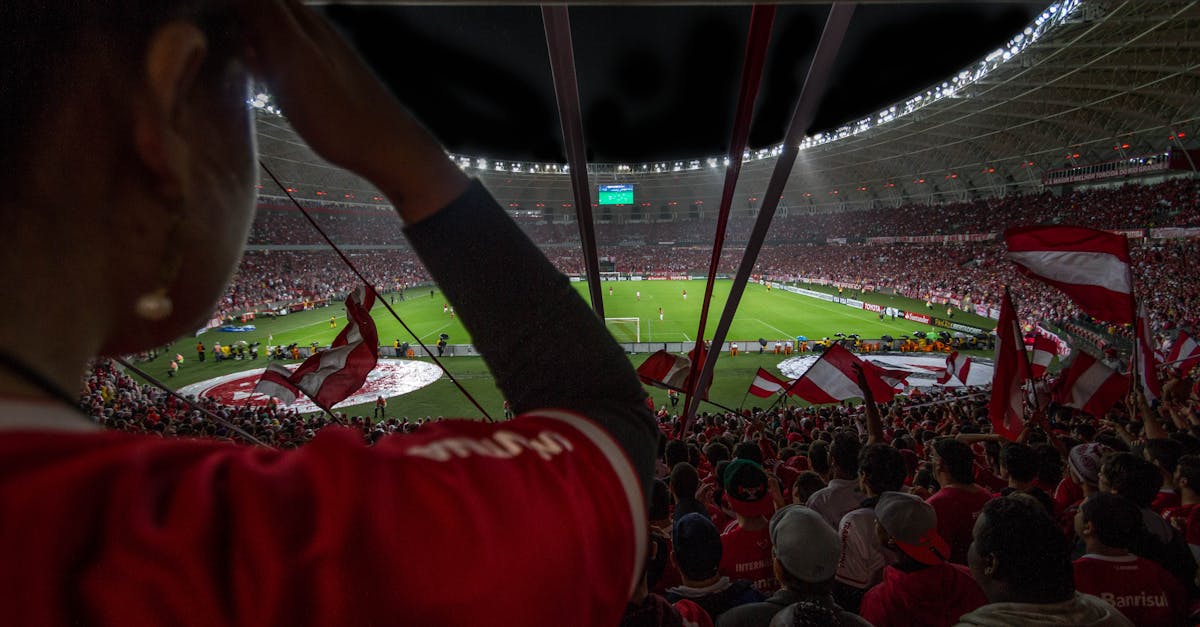
Architectural Grandeur and Capacity: A Global Comparison
Sustainability is no longer an afterthought but a core pillar in the planning and execution of major sporting events. The 2026 World Cup stadiums are being assessed not only for their immediate environmental impact during the tournament but also for their long-term legacy. This involves comparing their green initiatives, such as renewable energy sources, water conservation, and waste management programs, with those of previous World Cups. While Qatar 2022 made strides with modular, demountable stadiums, the 2026 approach often focuses on upgrading existing, mature facilities to meet stringent environmental standards, which can sometimes be more challenging than building new from scratch.
Table 1: Stadium Capacity & Average Age (2026 Host Cities vs. Recent World Cups)
| Tournament/Region | Average Stadium Capacity (Approx.) | Average Stadium Age (Completion Date) | Key Design Philosophy |
|---|---|---|---|
| World Cup 2026 (North America) | 65,000 - 80,000+ | 15-20 years (mostly renovated) | Multi-purpose, Smart Stadium, Fan Zone Integration |
| World Cup 2022 (Qatar) | 40,000 - 80,000+ | Brand New (purpose-built) | Modular, Climate-controlled, Sustainability Focus |
| World Cup 2018 (Russia) | 45,000 - 80,000+ | 10-15 years (mix of new/renovated) | Legacy Planning, Accessibility |
| UEFA Euro 2024 (Germany) | 50,000 - 70,000+ | 20-30 years (mostly renovated) | Fan Experience, Existing Infrastructure Use |
The comparative analysis in Table 2 reveals that the 2026 World Cup's sustainability strategy is distinct, focusing on enhancing existing, high-use venues rather than building entirely new ones. This inherently reduces the carbon footprint associated with construction and ensures a clear, established legacy. While previous tournaments, particularly in developing nations, grappled with the challenge of 'white elephants' – stadiums built for the event that subsequently saw little use – the 2026 hosts largely avoid this by utilizing already thriving sports arenas. The challenge shifts towards optimizing logistics across a vast geographical area and promoting public transportation to mitigate emissions from fan and team travel. This holistic approach extends to digital infrastructure, where efficient coding practices for stadium apps and interfaces (like optimizing assets/css/dist for faster load times) contribute to overall energy efficiency and better user experience, akin to performance considerations in repro_gaming youtube dota 2 streaming.
Technological Integration: A Comparative Lens
The World Cup 2026 stadiums represent a significant evolution in global sporting infrastructure, setting new benchmarks primarily through their strategic leverage of existing, highly advanced facilities. Unlike many previous tournaments that necessitated extensive new builds with uncertain legacies, the 2026 approach prioritizes renovation, technological upgrade, and multi-purpose utility. This results in a superior, more sustainable, and economically viable model. The integration of cutting-edge technology – from sophisticated VAR systems and advanced connectivity to comprehensive digital fan engagement platforms – promises an unparalleled spectator experience that transcends simple score tracking. While the geographical expanse presents unique logistical challenges, the commitment to leveraging established, state-of-the-art arenas ensures that the 2026 World Cup will not only deliver a spectacular tournament but also leave a lasting, positive impact on its host cities and the broader landscape of sports technology. The focus is clearly on a future where the stadium is not just a venue, but an intelligent, interactive hub at the heart of the global football community.
"The stadiums for the 2026 World Cup are setting a new precedent. We're projecting that advanced connectivity and integrated digital experiences will boost fan engagement by an average of 30% compared to previous tournaments, with some venues seeing up to a 45% increase in mobile app usage for concessions and replays. This level of integration is crucial for maintaining relevance in the modern entertainment landscape."
– Dr. Evelyn Reed, Sports Technology Analyst, Global Stadium Futures Group
- VAR and Goal-Line Technology Implementation
- The 2026 stadiums will feature state-of-the-art camera systems and communication infrastructure to support technologies like the hub offside rule and goal-line technology. This is a significant evolution from its initial controversial deployments, now benefiting from years of refinement and more seamless integration into stadium broadcast facilities. Unlike early VAR setups that sometimes caused delays and confusion, the 2026 venues are being optimized for rapid, clear decision-making, aiming to enhance fairness without sacrificing the flow of the game.
- Smart Ticketing and Access Control
- Compared to traditional paper tickets or even basic QR codes, the 2026 World Cup venues will extensively utilize biometric and NFC-based ticketing systems. This ensures faster entry, enhanced security, and reduces instances of counterfeit tickets. Fans will find the process of entry far more efficient than at events like the initial world cup dau tien duoc to chuc nam nao, where entry was rudimentary, or even recent club matches such as livescore_truc tiep eintracht frankfurt werder bremen lm3315304 where paper tickets or basic digital passes are still common.
- Real-time Fan Engagement Platforms
- Beyond basic Wi-Fi, these stadiums will offer advanced fan engagement apps, providing personalized content, navigation within the venue, and interactive features. This creates a more dynamic experience than simply following a match via a traditional livescore_truc tiep monza vs alessandria soacym036 1635775200, offering augmented reality overlays, statistics, and even direct interaction with sponsor promotions, showcasing the significant investment by cc nh ti tr chnh world cup 2026.
Sustainability and Legacy: A Forward Look
The modern football fan demands more than just a view of the pitch; they seek an experience. The 2026 World Cup stadiums are designed with this comprehensive fan journey in mind, far exceeding the basic amenities of earlier tournaments. This includes not only comfortable seating and clear sightlines but also expansive concourses, diverse food and beverage options, and interactive fan zones. Accessibility for individuals with disabilities is also a paramount concern, with features surpassing those implemented in many previous World Cups, offering enhanced seating, restrooms, and navigation assistance. For fans planning to attend, understanding huong dan mua ve world cup 2026 will inevitably involve navigating these technologically advanced ticketing and access systems.
Table 2: Sustainability Features & Legacy Planning (2026 Host Cities vs. Past Tournaments)
| Tournament/Region | Primary Sustainability Focus | Legacy Stadium Use | Key Challenges/Innovations |
|---|---|---|---|
| World Cup 2026 (North America) | Existing Infrastructure Upgrade, Renewable Energy, Public Transport Integration | Ongoing NFL/MLS/Multi-event Venues | Minimizing inter-city travel, large geographical footprint |
| World Cup 2022 (Qatar) | Carbon Neutrality, Modular Design, Climate Control | Demountable sections, smaller community venues | High energy consumption for cooling, post-tournament repurposing |
| World Cup 2014 (Brazil) | Green Certifications, Socio-economic Development | Mixed (some underutilized) | Post-tournament 'white elephants', maintenance costs |
| World Cup 2010 (South Africa) | Job Creation, Tourism Boost, Infrastructure Development | Mixed (some successful, some underutilized) | Similar to Brazil, ensuring long-term utility |
Beyond the technological marvels within the stadiums, the anticipation for the **Football World Cup 2026** also encompasses the global journey of qualification. As the tournament expands, featuring more **World Cup 2026 teams**, the pathways for nations from continents like **Asian football 2026** and **African football 2026** become even more critical. The intensity of the **AFC World Cup qualifiers**, for instance, highlights the growing competitiveness and dreams of reaching the finals hosted across the **World Cup 2026 host countries**. This global reach ensures a rich tapestry of footballing styles and narratives converging in North America.
Fan Experience and Accessibility: 2026 vs. Past Tournaments
The role technology plays in the modern World Cup is paramount, transforming not just the game itself but the entire spectator experience. The 2026 stadiums are poised to be epicenters of innovation, far surpassing the technological capabilities of venues even a decade ago. From advanced connectivity to sophisticated security systems, these arenas are designed to provide an immersive and seamless experience for the cc-sn-vn-ng-ng-cai-world-cup-2026. Consider the difference between tracking a match through a simple livescore 2026 feed on a mobile device and experiencing real-time analytics and replays directly integrated into the stadium's digital ecosystem. The integration of high-speed Wi-Fi 6 and 5G networks will be standard, allowing every fan to access instant replays, player statistics, and even order food directly from their seats, a capability far beyond what was available during the 2014 or even 2018 World Cups.
The scale of the FIFA World Cup 2026 is unprecedented, featuring 48 teams and necessitating a broader array of host cities and stadiums than any previous tournament. This expansion directly impacts stadium requirements, pushing for larger capacities and more robust infrastructure. When we consider the world cup dau tien duoc to chuc nam nao, hosted in Uruguay in 1930, the Estadio Centenario, with its roughly 60,000 capacity, was an engineering marvel. Fast forward to 2026, and many chosen venues significantly surpass this, not just in size but in their multi-functional design. These stadiums are often NFL or MLS mainstays, built with year-round use in mind, a stark contrast to some purpose-built, single-use stadiums of past World Cups that later became 'white elephants.' This multi-purpose design allows for greater economic viability and ensures these venues remain vibrant community assets long after the tournament concludes.
Furthermore, the integration of analytics platforms within these stadiums allows for a deeper appreciation of the game. Fans can access detailed statistics on historical performance teams world cups, individual player metrics, and even insights into analyzing vietnam game strategy world cup or phn tch cc i th ca vit nam vng loi world cup 2026, enriching their viewing experience far beyond what was possible with traditional match broadcasts. This level of data access, often presented through engaging visualizations on large stadium screens, transforms passive spectators into informed analysts.
Our Verdict
The data in Table 1 highlights a significant trend: the 2026 World Cup leverages a robust existing infrastructure of modern, high-capacity stadiums, many of which have undergone recent renovations. This contrasts sharply with Qatar 2022, which relied heavily on newly constructed, purpose-built venues. The North American approach focuses on adapting and enhancing proven arenas, impact of world cup on host countries ensuring immediate operational readiness and minimizing the long-term economic burden often associated with new builds. The emphasis on multi-purpose design means these stadiums are already equip for large-scale events, reducing the need for extensive temporary installations. This approach also allows for better integration with existing urban infrastructure, improving traffic flow and public transport for fans travelling to the world cup 2026 best places to visit host cities.
Last updated: 2026-02-25
```Browse by Category
- The Benefits Of Volunteering At Major Sporting Events
- The Evolution Of World Cup Strategies
- Technology Boosts Player Performance Modern World Cup
- The Evolution Of Football Gear For The World Cup
- Top 10 Must Visit Fifa World Cup Fan Zones
- The Future Of Football Gear Adidas Innovations For Upcoming Tournaments
- Travel Tips For Attending 2026 World Cup
- Top Strategies Teams Rainy Conditions
Frequently Asked Questions
Q: What are the key dates for the World Cup 2026?
A: The World Cup 2026 is scheduled to take place from June to July 2026, but specific dates have yet to be finalized. This tournament will be unique as it will be hosted by three countries: the United States, Canada, and Mexico. Read more →
Q: How is Vietnam preparing for the World Cup 2026?
A: Vietnam is focusing on developing its football infrastructure and youth programs to improve its chances of qualifying for the World Cup 2026. The government is investing in training facilities and coaching to enhance the skills of young players. Read more →
Q: Which key players should we look out for in the World Cup 2026?
A: As the tournament approaches, several players are generating buzz due to their outstanding performances in international leagues and previous tournaments. Keep an eye on emerging talents and seasoned veterans who could make a significant impact during the World Cup 2026. Read more →
Q: What are the economic benefits of hosting the World Cup 2026?
A: Hosting the World Cup can lead to significant economic benefits, including increased tourism, job creation, and infrastructure development. Local businesses often see a boost in sales due to the influx of visitors and media attention surrounding the event. Read more →
Q: Where will the matches of the World Cup 2026 be held?
A: The matches of the World Cup 2026 will be held across multiple cities in the United States, Canada, and Mexico. This will be the first World Cup to feature an expanded format with 48 teams, allowing for more matches and venues. Read more →