World Cup 2026 Stadiums: A Capacity Comparison | the history of world cup jerseys from classic to modern
Introduction: The Grand Arenas of World Cup 2026
I remember attending a local derby match years ago, packed into a relatively small stadium where the roar of the crowd felt almost suffocating in its intensity. The sheer scale was dwarfed, however, by the global spectacle of a World Cup. The anticipation for the FIFA World Cup 2026, head to head history sweden ukraine co-hosted by the USA, Canada, and Mexico, brings with it discussions not just of top teams World Cup 2026 or world cup statistics records that may never be broken, but also the colossal venues that will host these epic encounters. This article will compare and contrast the largest World Cup 2026 stadiums, focusing on their capacity, technological integration, and the fan experience they are poised to offer, providing a unique perspective on exploring history of World Cup stadiums and their future.
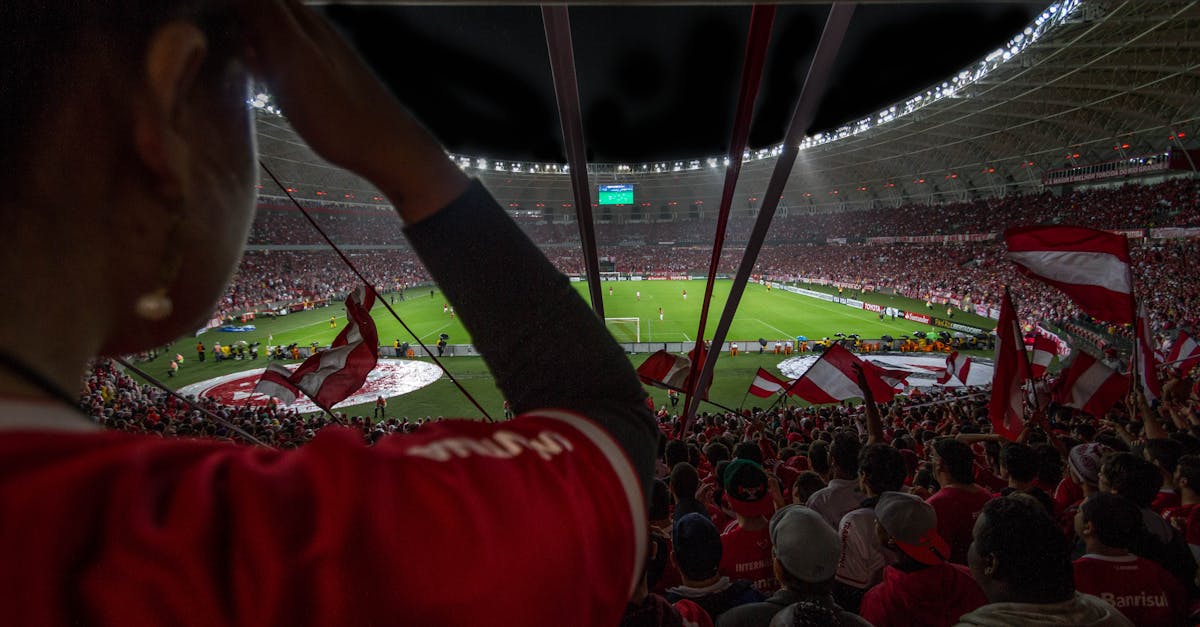
Capacity Giants: Comparing Seating and Scale
When considering the largest stadiums for the FIFA World Cup 2026, capacity is often the primary metric. However, it is crucial to understand that raw seating numbers do not always equate to the best fan experience. Different designs and historical contexts contribute to the overall grandeur. We will examine the projected largest venues and compare them against some historical giants.
| Stadium | Location | Projected World Cup 2026 Capacity | Notable Features |
|---|---|---|---|
| AT&T Stadium | Arlington, USA | ~100,000 (Expandable) | Retractable Roof, Giant HD Video Board |
| MetLife Stadium | East Rutherford, USA | ~82,500 | Multi-purpose, Advanced Connectivity |
| Estadio Azteca | Mexico City, Mexico | ~87,523 | Historic Significance, Three World Cup Finals Host |
| Rose Bowl | Pasadena, USA | ~90,888 | Historic Venue, National Historic Landmark |
| Lumen Field | Seattle, USA | ~69,000 | Noise Amplifying Design, Waterfront Views |
The table above illustrates a diverse range of capacities amongst the potential hosts. AT&T Stadium, with its expandable capacity, stands out as a potential contender for the largest crowds, aiming to maximize revenue and spectacle. In contrast, Estadio Azteca, while not the absolute largest in terms of sheer numbers for 2026, holds historical precedence, having hosted two previous World Cup finals. This comparison highlights that while capacity is important, the narrative and legacy of a stadium also contribute significantly to its perceived 'greatness'. The fan experience what to expect at FIFA World Cup 2026 will be profoundly sha by these architectural marvels, historical matchups world cup 2026 from entry to exit.
Technological Integration: VAR vs. Goal-line Technology in Stadium Design
Modern football stadiums are more than just seating bowls; they are technological hubs designed to enhance both the game and the spectator experience. The integration of technology in World Cup 2026 venues goes far beyond basic Wi-Fi, focusing on critical aspects like VAR implementation, broadcast capabilities, and fan engagement platforms. Comparing the approach to these technologies between newer, purpose-built stadiums and older, renovated venues provides valuable insight.
| Technology/Feature | Newer Stadiums (e.g., SoFi Stadium, Allegiant Stadium - potential hosts) | Renovated Older Stadiums (e.g., Estadio Azteca, Rose Bowl) |
|---|---|---|
| VAR Infrastructure | Integrated control rooms, multiple camera angles pre-installed, high-speed fiber optics. | Retrofitting required, additional camera installations, potential network upgrades. |
| Goal-line Technology | Seamless integration into pitch and scoreboard systems, advanced sensor networks. | Installation may require pitch reconstruction or significant modifications to existing structures. |
| Fan Connectivity (5G) | Designed with dense 5G networks, in-stadium apps, mobile ordering, personalized content delivery. | Add-on infrastructure, potentially lower density, more challenging to provide uniform coverage. |
| Broadcast Capabilities | Purpose-built broadcast zones, media centers, extensive cable infrastructure for 4K/8K. | Adaptation of existing spaces, potentially less flexible for new broadcast innovations. |
The ultimate measure of a great stadium, beyond its capacity or technology, is the fan experience it provides. history fifa world cup 1930 to 2026 This encompasses everything from ease of access and comfort to the intangible atmosphere generated by the crowd. We can compare how different stadium philosophies prioritize these elements.
Fan Experience: Accessibility vs. Atmosphere
This comparison demonstrates a clear advantage for newer stadiums in terms of technological readiness. While renovated stadiums can certainly accommodate modern football technologies, the inherent design of new venues allows for more seamless and efficient integration. For instance, the deployment of VAR in a legacy stadium might require significant structural and wiring adjustments, whereas a new stadium can build these requirements directly into its initial plans. This technological disparity will affect not only the smooth running of matches but also the role of media in World Cup rivalries and how injury updates Sunderland Chelsea match or key moments Manchester United Premier League will be disseminated and analyzed by fans in real-time. The advanced analytics platforms available in modern stadiums will undoubtedly enhance the fan experience.
- Modern Multi-Purpose Arenas (e.g., Mercedes-Benz Stadium, Arrowhead Stadium - shortlisted hosts)
- These venues are often characterized by extensive amenities, diverse food and beverage options, luxury suites, and advanced digital wayfinding. They prioritize comfort, technological engagement, and a 'premium' experience. Accessibility features for all attendees are typically state-of-the-art. The focus is on a comprehensive entertainment package.
- Historic Football/Soccer Specific Stadiums (e.g., BMO Field - potential host, or European examples like Wembley)
- While many have been renovated, these stadiums often retain a more traditional, concentrated atmosphere. The focus is heavily on the pitch and the crowd's energy. Amenities might be less sprawling, but the design often enhances acoustic properties to amplify crowd noise. Accessibility has been a focus in recent renovations, but the core structure may present unique challenges compared to new builds.
- Large American Football Stadiums (e.g., Lincoln Financial Field, NRG Stadium - shortlisted hosts)
- These stadiums excel in handling massive crowds efficiently and providing extensive concourse areas. They are designed for large-scale events, often with significant parking infrastructure. While they offer comfort, the sheer size can sometimes dilute the intense, intimate atmosphere found in smaller, dedicated football stadiums. The emphasis is on scalable operations and event logistics.
The contrast here is evident. Modern multi-purpose stadia aim for a holistic entertainment experience, often catering to a broader audience than just ardent football fans. Historic stadiums, even after renovation, often retain their unique character, prioritizing an intense, focused football atmosphere. Large American football venues, while capable of hosting huge crowds, might struggle to replicate the specific intensity that a dedicated football stadium can foster. This comparison is critical for understanding what fans can expect, from world cup 2026 key players to watch being visible on giant screens to navigating complex venues, and how it impacts favorite world cup moments from fans.
Our Verdict
The FIFA World Cup 2026 will be a monumental event, hosted across a fascinating array of stadiums. While the sheer capacity of venues like AT&T Stadium will provide an astonishing spectacle, the historical gravitas of Estadio Azteca offers an unparalleled narrative. From a technological standpoint, the newer, purpose-built stadiums will undoubtedly provide a more integrated and seamless experience for VAR, goal-line technology, and fan connectivity. However, the unique atmosphere and renovated charm of older venues will continue to hold a special place in the hearts of fans. The true success of the World Cup 2026 stadiums will lie in their ability to balance their immense scale with an intimate, accessible, and technologically advanced fan experience, a im bn c cc nc world cup are hoping for. The comparison reveals that there is no singular 'best' stadium, but rather a spectrum of venues each contributing a distinct flavor to what promises to be an unforgettable tournament.
Browse by Category
Sources & References
- Transfermarkt Match Data — transfermarkt.com (Match results & squad data)
- Sports Reference — sports-reference.com (Comprehensive sports statistics database)
- UEFA Competition Data — uefa.com (European competition statistics)
Explore More Topics (15)
- Underdog Stories Surprising World Cup Upsets
- Understanding Wp Json Comprehensive Guide
- Analysis Key Matches World Cup Yesterday
- Bo Bng World Cup
- Avoid Streaming Scams World Cup 2026
- The Impact Of Design On World Cup Footballs A Look At Adidas
- Rising Stars In Football To Watch
- Mua Ve World Cup Gia Tot Nhat
- Analyzing Vietnam Competition World Cup 2026
- Managing Bankroll When Betting Online
- Most Memorable World Cup Finals
- World Cup 2026 Va Tuong Lai Bong Da
- Tin Tuc World Cup
- Analyzing World Cup Champions Performance
- Fan Expectations Brazil World Cup 2026