World Cup 2026 Stadium Hotels: Comparing Proximity, Amenities, and Fan Experience | history fifa world cup 1930 to 2026
Introduction: The Ultimate Fan Pilgrimage and Its Lodging Demands
I remember vividly the buzz surrounding the 2014 World Cup in Brazil. My cousin, a die-hard fan, historical matchups world cup 2026 had secured tickets to a crucial knockout match in Belo Horizonte. His initial excitement was quickly tempered by the logistical nightmare of finding accommodation. He ended up miles away from the stadium, relying on multiple modes of transport and facing crowds that made getting to the game a stressful ordeal. This experience, common for many fans, highlights a critical aspect of attending major sporting events: the location and quality of lodging. For the upcoming 2026 World Cup, spread across Canada, Mexico, and the United States, the demand for hotels near the iconic stadiums will be unprecedented. This article will delve into the unique considerations for selecting accommodation in close proximity to World Cup 2026 venues, comparing these specialized options with more traditional choices and evaluating how technology and fan-centric amenities are shaping the landscape, much like how advancements in sports technology have revolutionized how we follow how livescore changed the way we follow sports.
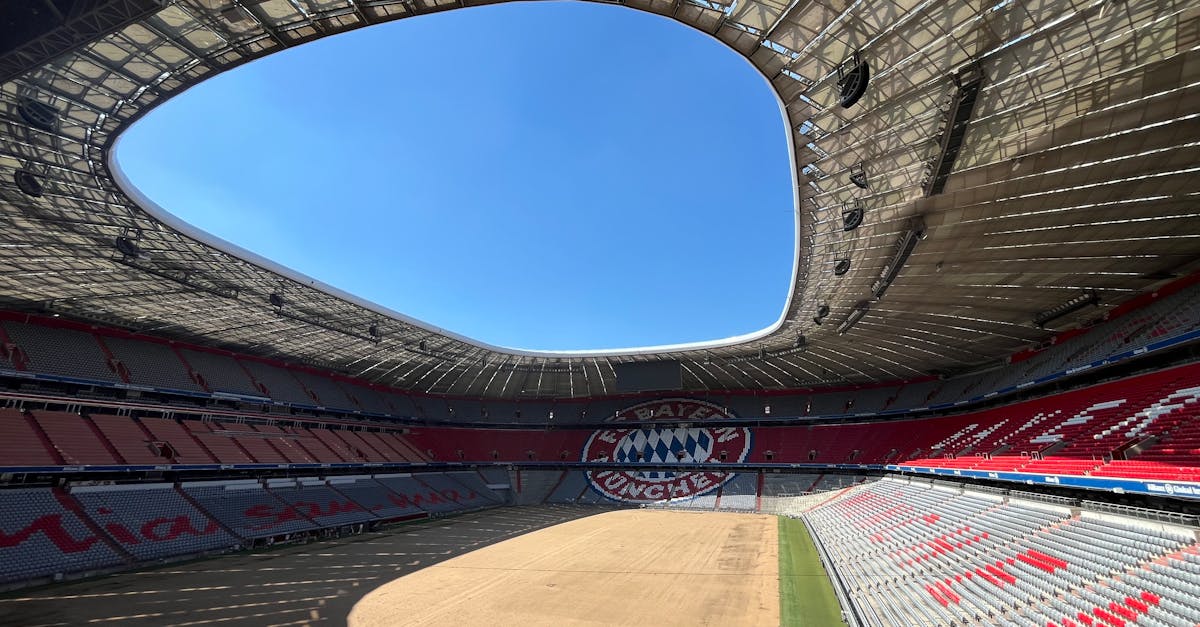
Proximity to the Action: Stadium-Adjacent vs. City-Center Stays
The decision between a stadium-proximate hotel and a city-center option often boils down to priorities. Fans who prioritize the electric atmosphere and the ease of access to multiple matches within a tournament might favor the stadium hotels. Those looking for a more rounded travel experience, incorporating sightseeing and diverse culinary exploration, might lean towards city centers, accepting the trade-off in travel time to the matches. The 2026 World Cup, with its vast geographical spread, further complicates this decision, necessitating careful planning akin to planning world cup adventure tips experts would provide.
Consider the difference in the fan experience. A standard hotel might offer a continental breakfast and Wi-Fi. A World Cup-focused hotel near a stadium might offer a breakfast buffet featuring the national colors of the competing teams, live music from the host country on specific evenings, and direct shuttle services to fan zones. This level of specialization is a direct response to the evolving expectations of modern sports enthusiasts, head to head history sweden ukraine who are accustomed to immersive experiences. It's a significant evolution from the era when understanding understanding football scoring systems was the primary concern for fans following the sport.
Fan-Centric Amenities: Beyond the Standard Hotel Offering
Consider the implications for fans traveling from afar, perhaps following key players watch argentina world cup or other global giants. The ability to instantly check match schedules, book transportation, or even order room service through a dedicated hotel app enhances their comfort and efficiency. This technological integration extends to in-room entertainment systems, often featuring streaming services and direct access to sports channels, ensuring fans do not miss a moment, even when not at the stadium. This mirrors the advancements seen in sports equipment itself, such as exploring the technology behind adidas world cup footballs, where innovation is paramount.
Hotels catering specifically to major sporting events, like the World Cup, impact live scores fan engagement often go beyond standard hospitality services. They curate amenities designed to enhance the fan journey. This can include dedicated sports bars with multiple screens showing other match results, themed decor, official merchandise stores, and even organized viewing parties for games not being played at the local venue. These facilities create a communal atmosphere, allowing fans to connect with fellow supporters, share their passion, and extend the World Cup experience beyond the 90 minutes of play. This is a deliberate strategy to capture the fan's continuous engagement, mirroring how platforms provide real-time updates for how todays football results impact fixtures.
Comparison of Stadium-Adjacent and City-Center Hotel Amenities
To illustrate these differences, let's examine a comparative table:
| Feature | Stadium-Adjacent Hotel (World Cup 2026) | City-Center Hotel (General Tourist) |
|---|---|---|
| Match Day Access | Walking distance, minimal travel time | Requires public transport or taxi, significant travel time |
| Atmosphere | High, pre- and post-match buzz, fan camaraderie | General city ambiance, potential for isolated fan groups |
| Match Viewing Facilities | Dedicated sports bars, multiple screens, live scoreboards | Standard hotel bar, limited screens, background ambiance |
| Themed Experiences | Potential for team colors, local culture integration, merchandise shops | Limited, general tourist-oriented amenities |
| Post-Match Services | Easy return, often with late-night food/drink options | May involve navigating crowded transport networks to return |
| Cost | Premium pricing, especially during tournament | Variable, can be more affordable outside peak event times |
The choice between a hotel near a World Cup 2026 stadium and a more traditional city hotel fundamentally shapes the fan's overall experience. Stadium hotels offer immersion. They are part of the event, pulsating with the same energy as the crowds outside. Fans staying here often feel a deeper connection to the tournament, surrounded by like-minded individuals and with immediate access to the action. This can lead to unforgettable moments, akin to the unforgettable fan moments world cup history, creating memories that last a lifetime.
Technology Integration: Smart Hotels for the Modern Fan
The data in the table clearly indicates that stadium-adjacent hotels during the World Cup are designed for a specific, immersive fan experience. While the cost is invariably higher, the value proposition lies in the convenience, the heightened atmosphere, and the dedicated facilities that cater directly to the passions of a football supporter. This focus on enhancing the fan's connection to the event is a modern trend, much like the detailed analysis offered by how to analyze world cup stats using google sheets, providing fans with deeper insights and engagement opportunities.
The World Cup 2026 venues themselves will showcase cutting-edge technology, from advanced broadcasting to enhanced fan engagement platforms. It is only natural that hotels in their vicinity will aim to mirror this technological sophistication. We are seeing a rise in 'smart hotels' where guests can control room settings via smartphone apps, access digital concierge services, and enjoy high-speed, reliable internet essential for sharing live updates and social media engagement. This technological overlay is crucial for the modern fan who expects seamless connectivity. It’s an evolution from when following a team meant relying on the occasional update, unlike the real-time gratification provided by guide following favorite teams live scores.
Comparison of Technology Features in Hotels
| Technology Feature | Stadium-Adjacent Smart Hotel (WC 2026) | Standard Hotel (General) |
|---|---|---|
| Mobile App Integration | Room control, concierge, booking, event info | Basic booking and check-in/out |
| In-Room Entertainment | Smart TVs, streaming services, dedicated sports channels | Standard TV, limited channel selection |
| Connectivity | High-speed, reliable Wi-Fi essential for live streaming/updates | Standard Wi-Fi, potentially slower or less reliable |
| Digital Concierge | 24/7 assistance via app or in-room device | Front desk assistance during operating hours |
| Smart Room Features | Temperature, lighting, blinds controlled via app/voice | Manual controls only |
The comparison above highlights the increasing convergence of hospitality and technology, particularly in venues designed for major events. Stadium-adjacent smart hotels during the World Cup are not just places to sleep; they are integrated hubs for the modern fan's digital and sporting needs. This focus on technological enhancement is crucial for delivering the seamless experience fans now expect, a stark contrast to the more rudimentary services of the past. It also underscores how different regions might offer varied experiences, prompting research into things like cac bang dau vong loai world cup 2026 chau a to understand the broader tournament context.
The Fan Experience: Immersive vs. Practical
The most significant differentiator for World Cup 2026 stadium hotels is their unparalleled proximity to the hallowed grounds. While a city-center hotel offers access to broader tourist attractions and a wider array of dining and entertainment, it often means a significant commute to the stadium. Stadium-adjacent hotels, on the other hand, place fans literally steps away from the entrance. This proximity is not merely a convenience; it transforms the fan experience. Imagine waking up on match day, enjoying breakfast with a view of the stadium, and walking a short distance to soak in the pre-match atmosphere. This contrasts sharply with the hurried journeys often required from more distant accommodations, where the focus shifts from anticipation to simply reaching the venue on time. This is a far cry from the days when following football results key player performances that changed the game relied solely on radio broadcasts or newspaper reports. Today's fan expects immediate access, both to the live action and the immediate vicinity.
- Stadium-Adjacent Hotels
- Pros: Unmatched proximity, electric atmosphere, dedicated fan amenities, seamless match day logistics, potential for early/late access to stadium vicinity.
- City-Center Hotels
- Pros: Broader access to city attractions, wider dining and entertainment options, potentially more varied price points, can serve as a base for non-match day exploration.
- Stadium-Adjacent Hotels
- Cons: Premium pricing, limited non-football related activities nearby, can be noisy, may feel isolated from the broader city culture.
- City-Center Hotels
- Cons: Significant travel time to stadiums, reliance on public transport or taxis, potential for crowded commutes, less integrated into the immediate tournament buzz.
This descriptive list outlines the trade-offs. For the dedicated fan whose primary objective is to maximize their time experiencing the World Cup matches and the associated atmosphere, the stadium-adjacent hotel is the logical choice. For the traveler who wishes to blend football with broader cultural exploration, a city-center hotel might offer a more balanced itinerary. The context of attending matches also ties into understanding the tournament's structure, such as the vong chung ket world cup, and how specific venues play a role.
Our Verdict
For the discerning World Cup 2026 attendee whose priority is the football itself, hotels situated in close proximity to the stadiums represent the superior choice. These accommodations have evolved beyond mere lodging; they are curated fan experiences, enhanced by technology and designed to immerse supporters in the tournament's vibrant atmosphere. While they command a premium, the unparalleled convenience, the amplified sense of occasion, and the specialized amenities justify the investment for those seeking to maximize their World Cup adventure. Travelers looking to explore the host cities more broadly may opt for city-center hotels, but for the true football pilgrim, proximity to the stadium is paramount. This focus on optimizing the fan journey is a testament to the increasing sophistication of sports event management and hospitality, ensuring that attending a World Cup match is not just about the game, but the entire experience surrounding it, much like how the evolution of world cup venues through the years has transformed the spectacle.
Browse by Category
Sources & References
- FIFA Official Statistics — fifa.com (Official match data & records)
- Opta Sports Analytics — optasports.com (Advanced performance metrics)
- ESPN Score Center — espn.com (Live scores & match analytics)
Frequently Asked Questions
Q: When is the best time to book hotels near World Cup 2026 stadiums?
A: Given the immense global interest in the FIFA World Cup 2026, it's advisable to book accommodation as early as possible. Popular hotels located close to the stadiums can sell out quickly, sometimes over a year in advance. Securing your room early will help ensure you get the best rates and preferred locations. Read more →
Q: How can I find hotels closest to the specific World Cup 2026 stadiums?
A: To find hotels near the stadiums, utilize online travel agencies and map features to check proximity to the venue addresses. Official FIFA World Cup 2026 websites and the tourism boards of the host cities are also excellent resources for recommended accommodations and transportation links. Look for hotels listed as being within walking distance or a short transit ride from the stadiums. Read more →
Q: What types of accommodation are usually available near World Cup venues?
A: Besides traditional hotels, you can often find a variety of lodging options such as boutique hotels, serviced apartments, and vacation rentals (like Airbnb) near World Cup stadiums. Some cities may also offer fan villages or temporary accommodation solutions during major events. These diverse choices cater to different budgets and preferences for travelers attending the matches. Read more →
Q: Are there any special considerations for booking hotels during a major tournament like the World Cup?
A: Yes, booking during a major tournament often means higher prices and stricter cancellation policies. It's crucial to read all terms and conditions carefully before confirming your reservation. Also, consider booking accommodations that offer flexible check-in/check-out times if your travel plans are subject to match schedule changes. Read more →
Q: What transportation options are typically available from hotels to World Cup 2026 stadiums?
A: Host cities usually enhance public transportation services during the World Cup, offering dedicated shuttle buses, increased train and subway frequency, and readily available taxis or ride-sharing services. Many hotels also provide information on the best routes to the stadiums, and walking or cycling might be viable options for those staying nearby. Always check local transport advisories closer to the event date. Read more →
Explore More Topics (15)
- Using Live Scores For Betting Success
- Navigating The Afc World Cup Qualification Journey
- Memorable Upsets World Cup Qualifiers
- Future Of The World Cup
- Understanding The Tactics Of Japans National Football Team
- Injury Updates France Vs Croatia
- Qua Luu Niem World Cup Doc Dao
- Repro_ha Noi Vs Tp Hcm1053255169
- Nations Most World Cup Titles
- File Upload Progress Bars Jquery Php
- Digital Field How Streaming Apps Transforming World Cup Betting Fantasy Leagues
- Key Refereeing Decisions Changed World Cup
- A Im Bn C Cc Nc World Cup
- Analysis Tactics Winning World Cup Teams
- Technology Enhancing World Cup Experience