World Cup 2026 Fan Culture: Tech, Trends & Comparisons | internal/fifa world cup 2026 golden ball winner
As a lifelong football enthusiast, I vividly recall the electric atmosphere of past World Cup tournaments. My earliest memories are not just of the goals or the dramatic saves, but of the shared sighs, the collective roars, and the palpable tension that united millions, even those watching miles apart. We would gather around televisions, dra in national colours, experiencing a communal journey that transcended geographical boundaries. Now, with the 2026 FIFA World Cup on the horizon, hosted across North America, the landscape of fan engagement is evolving dramatically. The way we will experience this global spectacle will undoubtedly differ from previous editions, influenced by technological advancements and shifting societal trends. This article delves into how the fan culture surrounding World Cup 2026 is shaping up, comparing it with historical precedents and exploring the technological underpinnings that will define the experience.
The Evolving Spectacle: Past Fan Culture vs. 2026 Expectations
The table above illustrates how technological interventions, such as VAR and Goal-Line Technology, have fundamentally altered the fan's relationship with officiating. In the pre-technology era, fans were largely at the mercy of human judgment, leading to enduring debates about controversial calls. While VAR has introduced its own set of debates regarding its execution, its core purpose is to mitigate the impact of human error, aiming for a more equitable outcome. GLT, on the other hand, has been a more straightforward success, eliminating a specific type of contentious decision that plagued past tournaments. The integration of these technologies means fans today are accustomed to a level of officiating accuracy that was unimaginable even twenty years ago. This creates a higher baseline expectation for fairness, a stark contrast to the acceptance of flawed officiating that characterized earlier World Cups. The ongoing development in this area suggests that future tournaments may feature even more sophisticated technological support, further refining the on-field product and, by extension, the fan's perception of its integrity.
Beyond VAR, other technologies are subtly influencing the fan experience. Goal-line technology, for instance, has largely been accepted, providing definitive answers to 'did it cross the line?' questions, thereby removing a common source of fan debate. Data analytics platforms, while often working behind the scenes, also contribute by providing deeper insights into team strategies and player performances, which can be disseminated to fans through various media. The very design of the official match ball often incorporates advanced materials and aerodynamics, a testament to the behind the scenes world cup ball innovation, aimed at improving play which directly impacts the spectacle fans enjoy. This technological integration is a far cry from the simpler materials and less scrutinized officiating of earlier World Cups, creating a fundamentally different viewing and emotional landscape for today's fans.
Technology's Imprint on Fan Perception and Fairness
As a sports technology writer, I am particularly interested in how innovations are reshaping not just the game on the pitch, but the perception of it by fans. The impact technology football VAR (Video Assistant Referee) has had on fan sentiment is a prime example. While VAR aims to enhance fairness by correcting clear errors, its implementation has led to divided opinions among supporters. Some feel it has introduced transparency and reduced controversial decisions, while others lament the disruption to the game's flow and the perceived loss of spontaneous celebration. For World Cup 2026, VAR will undoubtedly be a significant factor, and its continued evolution, perhaps with more transparent communication of decisions to fans in stadiums, will be crucial for fan acceptance. This contrasts with tournaments before VAR, where fan discussions often revolved around 'what ifs' and perceived injustices that could never be officially reviewed.
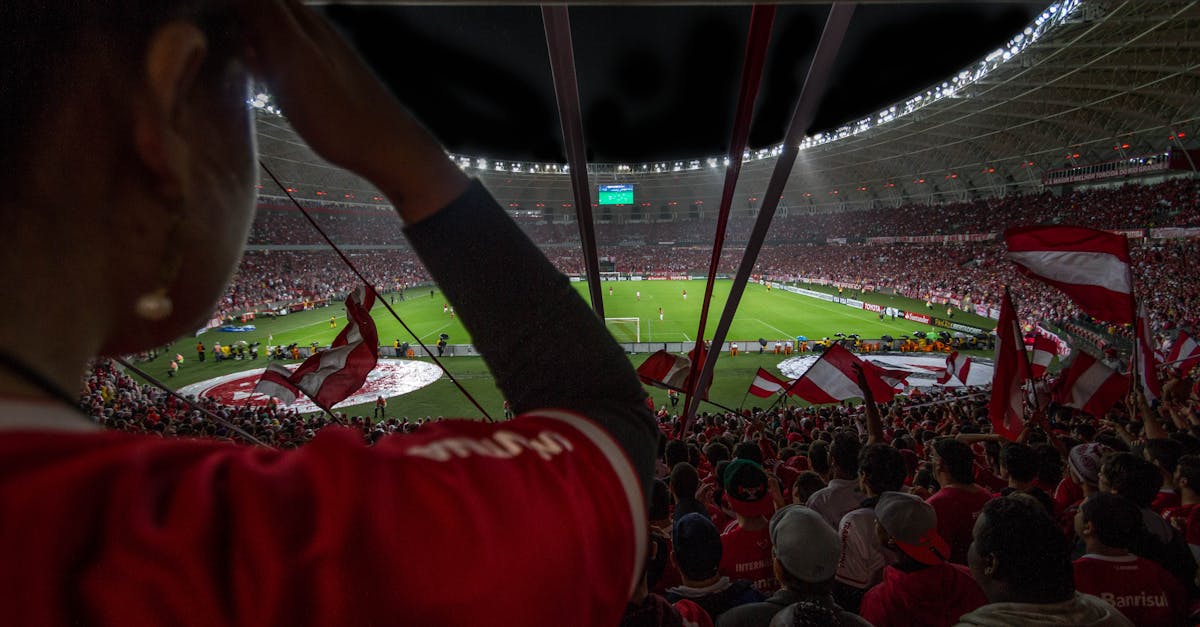
The fan experience 2026 world cup stadiums promises to be a significant leap forward, especially given the scale and modernity of the venues involved. Unlike older stadiums that might have limited amenities, the host cities are leveraging state-of-the-art infrastructure. This includes enhanced connectivity, high-definition large screens, improved crowd management systems, and potentially interactive fan zones. Consider the comparison between attending a match in a 1980s stadium versus a venue designed for 2026. The former might offer a raw, traditional atmosphere but lack modern comforts and digital integration. The latter aims to amplify the atmosphere through technology, offering personalized experiences through mobile apps, such as ordering food and beverages directly to one's seat, accessing real-time statistics, or even participating in in-stadium polls. This technological integration is not merely about convenience; it is about creating a more immersive and engaging spectacle, ensuring that even those not in the most expensive seats feel connected to the unfolding drama.
Technological Aids in Football: A Comparative View
| Technology | Primary Function | Fan Impact (Perception) | Comparison Point (Pre-Tech Era) |
|---|---|---|---|
| VAR (Video Assistant Referee) | Reviewing clear and obvious errors in match-changing situations (goals, penalties, red cards, mistaken identity). | Pro: Increased perceived fairness, reduced controversial decisions. Con: Game disruption, delayed celebrations, reliance on human interpretation. | Decisions were final, leading to widespread debate and perceived injustices that went uncorrected. |
| Goal-Line Technology (GLT) | Determining definitively whether a ball has crossed the goal line. | Pro: Removes ambiguity in goal decisions, universally accepted. Con: Minimal; some fans might miss the 'controversy' but the clarity is valued. | 'Ghost goals' or 'no goals' were common, leading to significant, unresolvable arguments. |
| Hawk-Eye/Ball Tracking | Tracking ball trajectory and player positions for various applications (e.g., out-of-bounds, offside, performance analysis). | Pro: Enhanced statistical analysis for media and fans, improved accuracy in certain calls. | Reliance on human officials and traditional line calls; data-driven insights were limited. |
The global anticipation for 2026 also brings into focus the unique nature of World Cup fandom compared to the regular rhythm of domestic leagues. While following upcoming challenges todays results league standings for clubs provides a weekly dose of football, the World Cup represents an unparalleled global festival. The stakes are higher, the narratives are grander, and the unity among fans, at least for their national teams, is profound. This unique intensity is something that organizers and technology providers will aim to capture and enhance for the 2026 edition, ensuring that the passion of fans is met with an equally impressive and accessible tournament experience. The preparations involve complex logistical challenges, from ticketing to stadium operations, all aimed at maximizing positive fan interaction.
Stadiums of Tomorrow: Enhancing Fan Immersion
The North American hosts are well-positioned to deliver this advanced fan experience. Their existing infrastructure, combined with planned upgrades, will likely set new benchmarks. This contrasts with historical World Cups hosted in regions where stadium infrastructure might have been more traditional or required extensive retrofitting, sometimes leading to a compromise between modernization and retaining historical charm. For 2026, the focus is clearly on leveraging technology to maximize engagement, making the stadium a dynamic hub of activity both on and off the pitch. This proactive approach to stadium design and fan amenities reflects a broader trend in sports entertainment, where the 'event' extends far beyond the 90 minutes of play.
This description list highlights the diverse ways fans will connect with the 2026 World Cup. The 'In-Stadium Spectator' of 2026 will have tools at their disposal that fans in previous decades could only dream of, transforming a passive attendance into an active, data-informed experience. The 'Remote Digital Fan' is not just watching; they are part of a global conversation, their interactions amplified by social media and streaming technologies that make them feel closer to the action and to each other. The 'Hybrid Fan' represents the most contemporary approach, seamlessly blending physical and digital worlds to craft a personalized football journey. This spectrum of engagement stands in contrast to the more uniform fan experience of earlier World Cups, where the primary modes of participation were attending the match or watching on television.
Fan Engagement Modalities: A Comparative Spectrum
- In-Stadium Spectator
- The traditional fan attending matches live. For 2026, this experience will be enhanced by advanced stadium tech, connectivity, and potentially AR overlays, offering a premium, highly immersive, but often costly experience. Compared to past tournaments, the focus is on making the physical presence more interactive and data-rich.
- Remote Digital Fan
- Engaging through screens and digital platforms from home or public viewing areas. This includes live streaming, social media, interactive apps, and virtual reality experiences. This offers flexibility and accessibility, allowing fans worldwide to participate, albeit with less physical immersion. It represents a significant evolution from the single-screen, passive viewing of earlier eras.
- Hybrid Fan
- A growing segment that combines elements of both. They might attend some matches but also actively engage with digital content, follow real-time social media discussions, and use apps to enhance their viewing experience, whether in a stadium or elsewhere. This approach reflects the modern fan's desire for layered engagement, a concept less prevalent in the past.
Looking beyond the immediate tournament, the legacy of World Cup 2026 will also influence future fan culture. Hosting such a prestigious event often sparks increased interest in football at a grassroots level. A look at youth development programs in football in the host nations and beyond will be vital to nurturing the next generation of fans and players. Strong youth development can lead to more competitive national teams, which in turn fuels fan engagement for future tournaments. This long-term perspective on fan development is something that modern football federations increasingly prioritize, aiming to build sustainable fan bases rather than just capitalize on temporary tournament hype. This contrasts with earlier World Cups where the focus was often more immediate, with less emphasis on structured, long-term fan engagement strategies.
Global Connectivity and Future Fan Development
The essence of World Cup fan culture remains constant: passion, patriotism, and a shared love for the beautiful game. However, the manifestation of this passion has undergone significant transformation. In eras past, fan engagement was largely confined to physical proximity – attending matches, gathering in public spaces, or congregating in homes. The advent of satellite television brought live broadcasts to a wider audience, but the interaction was predominantly one-way. Fast forward to today, and the digital revolution has ushered in an era of interactive fandom. For the 2026 tournament, we anticipate a blend of traditional fervor and hyper-connectivity. While the dream of attending matches remains central for many, the question of how to secure tickets for World Cup 2026 is more pertinent than ever, with unprecedented demand expected for venues across three nations. This demand contrasts sharply with earlier tournaments where accessibility, while still a challenge, was perhaps less technologically mediated. The global nature of the 2026 event, spanning Canada, Mexico, and the United States, also presents a unique opportunity for diverse fan cultures to converge, offering a richer tapestry of traditions compared to single-host nations of the past, where local customs often dominated the fan experience.
The 2026 World Cup, by its very nature as a trans-national event, will foster a unique brand of global connectivity among fans. Social media platforms and dedicated fan apps will act as virtual stadiums, allowing supporters from different countries to share their excitement, commiserate over defeats, and celebrate victories together. This digital convergence is crucial for bridging the vast distances between host cities and for fans who cannot attend in person. It also offers a stark comparison to the more localized fan communities of past tournaments, where international interaction was primarily limited to those present at the event or through international news broadcasts.
The way fans consume and interact with the tournament differs vastly from even a decade ago. Traditional broadcasts are now complemented by streaming services, social media commentary, fantasy leagues, and augmented reality experiences. This multi-platform engagement means the 'fan experience' is no longer monolithic. It is fragmented yet interconnected, allowing individuals to curate their own World Cup journey. This shift from passive observation to active participation is a key differentiator for 2026, presenting both opportunities and challenges in fostering a unified global fan spirit, unlike the more homogenous fan experience of earlier, less technologically integrated World Cups.
Our Verdict
The fan culture surrounding the 2026 FIFA World Cup is poised to be a fascinating blend of tradition and innovation. While the core passion for football remains, tips securing affordable 2026 fifa world cup tickets the way fans will engage with the tournament is set to be more dynamic, interactive, and technologically mediated than ever before. Comparisons with past World Cups reveal a clear trajectory: from localized, largely passive experiences to a globally connected, data-rich, and participatory fandom. The integration of technologies like VAR, advanced stadium amenities, and pervasive digital platforms will redefine what it means to be a fan in 2026. The challenges lie in ensuring these advancements enhance, rather than detract from, the spirit of the game, fostering inclusivity and accessibility for all supporters, whether they are navigating the process of how to secure tickets for world cup 2026 or experiencing the tournament from afar. Ultimately, the 2026 World Cup will not only be a celebration of football's greatest stars but also a testament to how technology and evolving fan expectations are shaping the future of the sport's most cherished event.
Browse by Category
Sources & References
- UEFA Competition Data — uefa.com (European competition statistics)
- FIFA Official Statistics — fifa.com (Official match data & records)
- Opta Sports Analytics — optasports.com (Advanced performance metrics)
Explore More Topics (15)
- Repro_tap Doan Dau Khi Viet Nam
- Future Of Sports Betting World Cup
- How Host Cities Preparing World Cup 2026
- National Team Kits Country Stories
- Internal/Fifa World Cup 2022 Golden Ball Winner
- Exploring Host Cities World Cup 2026 America
- Test_404_page
- Lich Phat Song World Cup Tren K Plus
- Tactical Breakdown 2022 World Cup Final Goals
- The Most Surprising Transfers After The World Cup
- Livescore_truc Tiep/Eintracht Frankfurt Werder Bremen Lm3315304
- Gamifying The Scoreboard New Ways To Track Progress And Motivate Athletes
- How Live Scores Drive Traffic Sports News Websites
- Future Live Score Technology Ai Beyond
- Rise Of Underdogs World Cup