travel tips for world cup fans navigating the host cities - World Cup 2026 Fan Experience: Tech, Travel & Tradition
I vividly recall the electric atmosphere of a small pub in my hometown during the 2014 World Cup final. Every goal, every save, was met with a roar that seemed to shake the building. That raw, communal experience, understanding qualification process for world cup amplified by grainy television screens and shared anticipation, is etched into my memory. As we look ahead to the FIFA World Cup 2026, hosted across the United States, Canada, and Mexico, the question arises: how will the fan experience evolve? This tournament promises a blend of tradition and unprecedented technological integration, offering a stark contrast to the more analogue experiences of past World Cups. We are moving beyond simply watching the game to interacting with it in ways previously unimagined, a significant shift from the fan culture around World Cup events of decades past, and even from the more recent, digitally enhanced, but geographically limited, fan zones of tournaments like the 2014 event in Brazil.
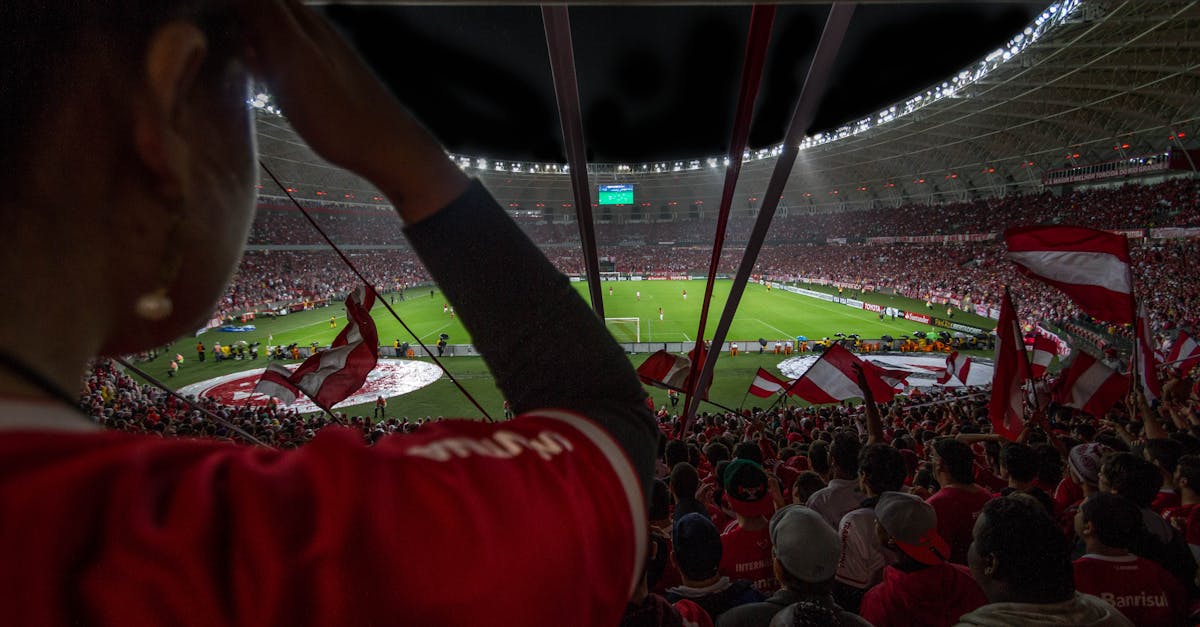
Stadium Technology: From Spectacle to Seamless Interaction
The comparison table highlights the profound shift in how fans connect with the tournament and each other. The rise of digital platforms has democratized the fan experience, allowing for a more immediate and widespread exchange of culture and passion. While the core elements of national pride and the love for the game remain, the methods of expression and community building have evolved dramatically. This transformation is crucial to understanding the 'influence of FIFA World Cup on global football culture', as each tournament builds upon the last, integrating new technologies and social dynamics. The digital tools available today, from advanced live score tracking to virtual reality experiences, offer a depth of engagement that was unimaginable even a decade ago, significantly broadening the reach and impact of the World Cup.
| Feature | Typical World Cup Stadium (e.g., 2014) | Projected World Cup 2026 Stadium |
|---|---|---|
| Connectivity | Basic Wi-Fi, sometimes limited; cellular congestion | Ubiquitous 5G, high-speed Wi-Fi; dedicated network capacity |
| Fan Engagement Tech | Large video screens, simple apps for information | Augmented Reality (AR) overlays, interactive fan zones, personalized content delivery |
| Data Access | Match statistics via stadium screens or official apps | Real-time player data, tactical analytics, historical comparisons via AR and mobile |
| Ticketing & Access | Physical tickets, basic digital entry | Biometric scanning options, dynamic digital ticketing, seamless entry |
This comparison list underscores how technology democratizes access to the tournament, even if the depth of experience varies. While the thrill of securing a ticket, like the prospect of 'mua vé trận khai mạc World Cup 2026', remains a premium experience, digital innovation ensures that no fan is entirely disconnected. The global football culture is continually sha by these evolving modes of consumption, making events like the World Cup more pervasive than ever before, a far cry from earlier tournaments where following the action required dedicated, often difficult, arrangements.
Digital Integration and Global Fan Accessibility
The stadiums hosting FIFA World Cup 2026 fixtures are set to be technological showcases, a far cry from the utilitarian arenas of early World Cups. Modern stadia are increasingly designed with connectivity and fan engagement as paramount. This contrasts sharply with earlier tournaments where the primary technological concern was often broadcasting the event. For 2026, expect ubiquitous 5G connectivity, enabling real-time data streaming and immersive augmented reality (AR) overlays for fans within the stadium. Imagine pointing your smartphone at the pitch and instantly seeing player statistics, tactical formations, or even historical data about key matches that sha World Cup history. This level of integration aims to enhance the live viewing experience, providing context and depth that was once the domain of commentators or post-match analysis. It also fundamentally changes how fans interact with the live score itself; instead of merely tracking numbers on a scoreboard or through basic live football scores tips, fans will experience data dynamically, overlaid onto their direct vision. This advanced digital overlay system will be a significant departure from the simpler fan experiences of previous editions, offering a more informed and interactive way to follow the action, distinct from the experience of trying to follow distant games via rudimentary live score updates.
- In-Stadium Experience
- Offers unparalleled sensory immersion, direct connection to the live action, and the unique atmosphere of a global gathering. Technology enhances this by providing real-time data overlays and interactive elements, making the physical presence more informative and engaging. The preparation for this often involves acquiring team colours, such as 'mua combo áo bóng đá và quần World Cup', to visibly represent support.
- Home Viewing Experience
- Provides comfort and the ability to multitask, often with access to multiple camera angles, expert commentary, and integrated social media feeds. Advanced smart TVs and streaming services offer near-live scores and analytical insights, bridging some of the gap with the live stadium feel. This experience is heavily dependent on reliable internet and broadcast rights.
- Digital-Only Experience
- Encompasses following matches through live score websites, dedicated apps, and social media updates. This is the most accessible and ubiquitous form of following the tournament, offering constant updates and community interaction, though it lacks the visual and atmospheric depth of stadium or high-quality broadcast viewing. It is crucial for fans seeking the quickest updates, complementing general live football scores tips.
The way fans consume football has been revolutionized by digital technology, travel tips for world cup fans navigating the host cities and the World Cup 2026 experience will be no exception. While the allure of attending matches in person, perhaps travelling to follow a team like Brazil, remains strong, the vast majority of fans will experience the tournament remotely. This year, the comparison is not just between attending and watching, but between various digital platforms and the quality of access they provide. For instance, questions like 'fpt play xem World Cup có bản quyền không' highlight the global disparity in broadcast rights and legal streaming options. Unlike previous eras where options were fewer and often regional, 2026 will see an even greater proliferation of official and unofficial streaming services, social media engagement, and interactive fan platforms. This digital layer offers a different kind of immersion, where fans can simultaneously follow live football scores, engage in real-time discussions, and access curated content. This contrasts with the more isolated experience of following a match via a single, potentially unreliable, live score update, or relying solely on traditional television broadcasts that lacked interactivity. The influence of FIFA World Cup on global football culture is now amplified through these digital channels, creating a shared, albeit virtual, experience across continents.
Fan Culture: Tradition Meets Globalization
The data presented above illustrates a significant technological leap. Whereas past tournaments relied on static displays and generalized information, World Cup 2026 venues are designed for a hyper-connected fan. This shift influences not just the entertainment value within the stadium but also how fans engage with the broader event ecosystem. For instance, the ease of access and personalization promised by advanced ticketing systems contrasts with the often cumbersome processes of obtaining and using tickets in previous years, a factor many fans consider when planning their journey, such as securing a coveted ticket for the opening match, akin to the excitement surrounding 'mua vé trận khai mạc World Cup 2026'. This technological infrastructure also directly impacts how fans experience live football scores; the raw numbers become a gateway to a wealth of contextual information, making the viewing experience richer than simply checking a basic live score feed.
| Aspect | Traditional Fan Culture (e.g., pre-2000s) | World Cup 2026 Fan Culture |
|---|---|---|
| Information Source | Newspapers, television news, word-of-mouth | Social media, dedicated sports apps, fan forums, live streaming platforms |
| Merchandise | Limited availability, often national or team-specific | Global online retail, personalized merchandise, digital collectibles (NFTs) |
| Community Interaction | Local gatherings, stadium presence, fan clubs | Global online communities, virtual watch parties, social media trends, augmented reality experiences |
| Team Following | Primarily national team; club loyalty was separate | National team focus amplified by global digital reach; increased interest in following specific star players across club/country lines |
The World Cup has always been a powerful engine for shaping global football culture, fostering national pride, and creating shared memories. However, the World Cup 2026 experience will see these traditions amplified and transformed by globalization and digital interconnectivity. The 'fan culture around World Cup' events has always been vibrant, characterized by unique rituals, team allegiances, and the communal viewing of key matches that sha World Cup history. For 2026, this culture will be more visible and diverse than ever, spread across three host nations and accessible to billions online. The preparation for this often involves extensive research into team histories, fan traditions, and even acquiring appropriate attire, such as the 'mua combo áo bóng đá và quần World Cup' to represent one's chosen team or nation. Furthermore, the impact of teams with rich histories, such as Brazil, cannot be overstated. The anticipation of following Brazil's journey, or 'i hình dự kiến World Cup 2026 của Brazil' (interpreted as 'expected World Cup 2026 journey/vision for Brazil'), will undoubtedly galvanize fan groups worldwide, creating pockets of intense passion in fan zones and homes across the globe. This global participation contrasts with the more localized fan experiences of earlier tournaments, where access was more restricted.
Our Verdict
The FIFA World Cup 2026 is poised to redefine the fan experience, moving beyond traditional viewing to a deeply integrated, technologically enhanced engagement. While the visceral thrill of attending matches in person will remain a experience, the advancements in stadium technology and digital accessibility mean that fans following remotely will encounter a richer, more interactive, and globally connected tournament than ever before. Comparing this future to past events reveals a consistent evolution driven by technology and globalization, from the communal pub gatherings of yesteryear to the sophisticated AR overlays and pervasive digital communities of 2026. For fans, this means unprecedented access to information, deeper engagement with the sport, and a more unified global fan culture, all while the core passion for the beautiful game continues to shine through. Whether you are securing your tickets for the opening match or following every live football score from afar, the World Cup 2026 promises an unforgettable journey.
Browse by Category
Sources & References
- FIFA Official Statistics — fifa.com (Official match data & records)
- UEFA Competition Data — uefa.com (European competition statistics)
- Sports Reference — sports-reference.com (Comprehensive sports statistics database)