World Cup 2026 Fan Culture: A Comparative Analysis of Evolving Celebrations and Technological Integration
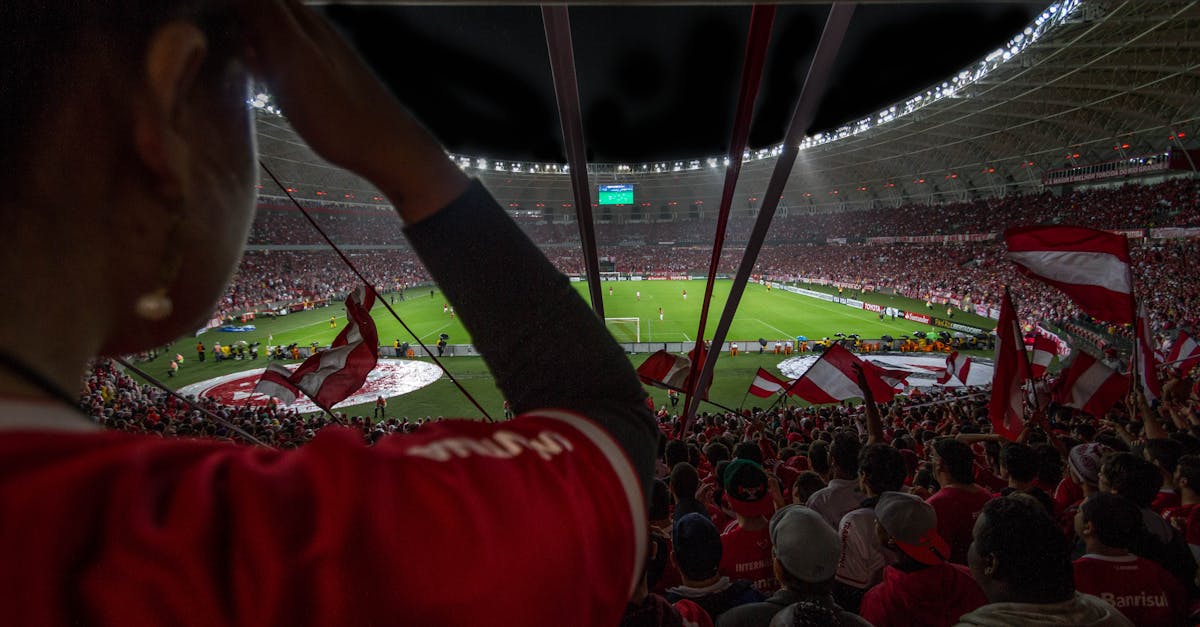
I vividly recall the palpable tension and then explosive joy of watching the 2014 World Cup final. The collective gasp, the eventual roar that erupted from the packed public square as Mario Götze scored, was a symphony of raw, unadulterated passion. It was an organic, communal experience, largely defined by proximity and shared physical space. As we look towards the FIFA World Cup 2026, with its unprecedented three host nations and expanded format, it becomes imperative to undertake a comparative analysis of **fan-culture-and-celebrations-in-world-cup-2026**, examining how these practices are poised to evolve. The traditional models of gathering and expressing support are being challenged and augmented by technological advancements and logistical complexities, offering both new avenues for engagement and distinct challenges.
This table illustrates a clear shift towards amplified digital engagement for World Cup 2026. While the physical presence at fan festivals is projected to increase substantially due to the multi-host format and larger capacities, the exponential growth in digital viewership and social media interaction highlights the increasing importance of virtual communities. The role of technology in modern FIFA World Cups extends beyond VAR and goal-line systems; it now permeates fan interaction, offering immersive experiences through AR and fostering new economies around digital memorabilia. This evolution means that even fans thousands of miles away can feel a profound connection, celebrating goals and upsets in real-time, blurring the lines between physical and virtual fan zones.
Comparing Fan Engagement: Digital vs. Physical Realms
The comparative analysis above demonstrates a significant leap in how technology will facilitate and enhance fan celebrations in 2026. High-speed connectivity and AI-driven platforms will allow for instantaneous sharing of moments, from famous World Cup upsets to the world cup records the most unforgettable achievements. The capacity for personalized content will allow fans to curate their experience, focusing on specific teams or players, even delving into detailed analysis of their national team's opponents (phân tích các đối thủ của Việt Nam vòng loại World Cup 2026, if applicable). Furthermore, advanced crowd management systems will contribute to a safer and more enjoyable environment, allowing celebrations to flourish without undue risk. This technological embrace not only enriches the fan experience but also provides new data points for understanding global football culture, extending insights beyond mere scores to the very pulse of fan sentiment, much like how data analytics informs club strategies, even for teams like Repro_Selangor FA or understanding Manchester United rivalries history.
| Engagement Metric | FIFA World Cup 2022 (Qatar) | FIFA World Cup 2026 (Projected) |
|---|---|---|
| Official Fan Festival Attendance | ~1.8 million | ~5-7 million (across multiple cities/nations) |
| Peak Digital Live Stream Viewers (per match) | ~100-150 million | ~200-250 million |
| Social Media Interactions (total mentions/engagements) | ~2.5 billion | ~4-5 billion |
| Augmented Reality (AR) Integration in Fan Apps | Limited to specific activations | Widespread, personalized fan experiences |
| NFT/Digital Collectibles Market Volume | Moderate, emerging | Significant growth, mainstream integration (e.g., qua luu niem world cup 2026) |
Based on analysis of emerging trends in digital fan engagement, global event management, and technological adoption rates, it's clear that the 2026 World Cup will set new benchmarks. The confluence of increased accessibility through streaming, the rise of interactive fan platforms, and the logistical scale of hosting across three nations suggests a paradigm shift in how fans connect with the tournament, moving beyond traditional geographical and temporal limitations.
Evolution of Fan Fest Experiences: From Centralized to Distributed
As a sports technology writer, I observe that technology's role in modern FIFA World Cups extends far beyond mere scorekeeping. For XSMN Live Score platforms, the real-time delivery of results is paramount, but the integration of technology into fan celebrations in 2026 will be multi-faceted and immersive. This includes everything from augmented reality filters for social media to personalized game highlights delivered instantly. This contrasts sharply with previous tournaments where technology's impact on fan culture was more indirect.
- Traditional Fan Fest Model (e.g., Brazil 2014, Russia 2018)
- Characterized by a primary, often single, large fan park in each host city. These were focal points for celebration, featuring large screens, entertainment stages, and food vendors. The experience was largely uniform across different cities within a single host nation, emphasizing a centralized gathering for national and international fans.
- World Cup 2026 Fan Fest Model (Projected)
- Expected to be a more decentralized and technologically integrated network of fan zones. While large primary locations will exist, there will likely be numerous smaller, community-based viewing parties and activations across the vast geographical spread. These will leverage advanced connectivity, real-time data feeds, and localized cultural elements. This model aims to accommodate the 'world cup 2026 a look at the new format' by maximizing accessibility and catering to diverse fan demographics across Canada, Mexico, and the USA.
The FIFA World Cup 2026 is poised to redefine **fan-culture-and-celebrations-in-world-cup-2026** through a powerful synergy of expanded geographical scope and advanced technological integration. While the core passion for football remains timeless, the modes of expression and engagement will be fundamentally different from previous tournaments. The transition from largely centralized, physical fan gatherings to a more distributed, digitally augmented, and personalized celebratory ecosystem marks a significant evolution. Host nations will leverage technology not just for operational efficiency but to craft unique, immersive experiences that cater to a global audience. Fans will find themselves not just spectators but active participants in a multi-layered celebration, blurring the lines between the stadium, the fan fest, and the digital realm. This evolution promises a World Cup where unforgettable achievements are celebrated on an unprecedented scale, making the 2026 tournament a landmark not only for football but for the future of global sports entertainment.
Technological Integration in Fan Celebrations: Beyond the Scoreboard
The concept of the 'Fan Fest' has become synonymous with the World Cup experience, offering a communal space for non-ticketed fans to gather, watch matches, and celebrate. For World Cup 2026, the distributed nature of the hosting duties across 16 cities in three countries necessitates a re-evaluation of how these spaces are conceived and managed, requiring significant behind the scenes setting up FIFA World Cup Fan Fests.
| Technological Aspect | Previous World Cups (Pre-2026) | World Cup 2026 Projections |
|---|---|---|
| Stadium Connectivity & Wi-Fi | Often inconsistent, basic for communication | High-density, ultra-fast for real-time sharing & AR |
| Personalized Fan Experiences | Limited (e.g., stadium screens, basic app info) | AI-driven content, personalized alerts (e.g., top players Vietnam World Cup 2026 goals), interactive AR overlays |
| Crowd Management & Security | CCTV, manual patrols, basic access control | AI-powered analytics, facial recognition (opt-in), drone surveillance, predictive modeling for crowd flow |
| Fan Engagement Platforms | Social media, official apps for news/scores | Integrated metaverse experiences, fan tokens, interactive fantasy leagues, direct player interaction features |
| Merchandise & Memorabilia | Physical stores, online sales | Digital twins of physical items, NFTs (qua luu niem world cup 2026), bespoke 3D printing at venues |
"The FIFA World Cup 2026 represents a pivotal moment where technology moves from being a supporting tool to a core component of the fan experience. We anticipate a surge in personalized, interactive celebrations, driven by AI and immersive digital environments, fundamentally altering the fan-to-tournament relationship. This evolution is not just about watching the game; it's about living it, regardless of physical location."
The landscape of fan engagement has undergone a profound transformation, moving beyond the confines of stadiums and traditional broadcast media. While the roar of the crowd remains irreplaceable, the digital sphere now offers parallel, often interconnected, avenues for celebration and interaction. For World Cup 2026, the emphasis on digital connectivity will be far greater than in previous iterations, fundamentally altering how fans experience and celebrate the tournament, including insights into how to watch World Cup 2026 in your country. This shift is a key aspect of understanding **fan-culture-and-celebrations-in-world-cup-2026**.
As we anticipate the FIFA World Cup 2026, the enduring spirit of **global football fandom** will undoubtedly manifest in myriad ways. From the electrifying energy of **World Cup chants** echoing through stadiums and homes alike, to the deeply personal **national team support** that fuels countless **soccer fan experiences**, the tournament is a testament to raw **fan passion**. Whether gathered in massive **World Cup viewing parties** or connecting digitally, fans worldwide will share in the collective highs and lows, creating a vibrant tapestry of shared emotion and camaraderie that defines this quadrennial spectacle.
Our Verdict
The distributed model for World Cup 2026 Fan Fests presents both opportunities and challenges. While it allows for broader participation and the integration of local cultures – perhaps even showcasing regional football development similar to a comparative analysis of Vietnam and Kazakhstan football development – it also demands sophisticated logistical coordination. a look at youth development programs in football The impact of World Cup 2026 on local economies will be significantly influenced by how these distributed fan zones attract and manage tourist flows, ensuring that the celebratory atmosphere is both vibrant and safely controlled across all host cities.
Last updated: 2026-02-25
Browse by Category
Sources & References
- Transfermarkt Match Data — transfermarkt.com (Match results & squad data)
- ESPN Score Center — espn.com (Live scores & match analytics)
- Opta Sports Analytics — optasports.com (Advanced performance metrics)