World Cup 2026 Stadiums: A Comparative Technological Leap
Introduction: The Evolution of the Stadium Experience
I recall vividly the 2002 World Cup, huddled around a crackling radio, occasionally checking a rudimentary text-based live score service on a feature phone. The thrill was undeniable, but the information flow was a trickle. Fast forward to today, and the landscape for tracking events like livescore_truc tiep senica vs zemplin michalovce jborgl295 1647093600 or any other match is a seamless, real-time stream. This dramatic shift is not merely an external development; it is profoundly influenced by the very infrastructure of the venues themselves. The upcoming FIFA World Cup 2026 across North America promises to elevate this experience further, showcasing a paradigm shift in stadium design and technological integration compared to previous tournaments. This article delves into a comparative analysis, highlighting how the 2026 stadiums are set to redefine the global football spectacle, offering unprecedented thng-tin-v-cc-sn-vn-ng-world-cup-2026 for fans and organizers alike.
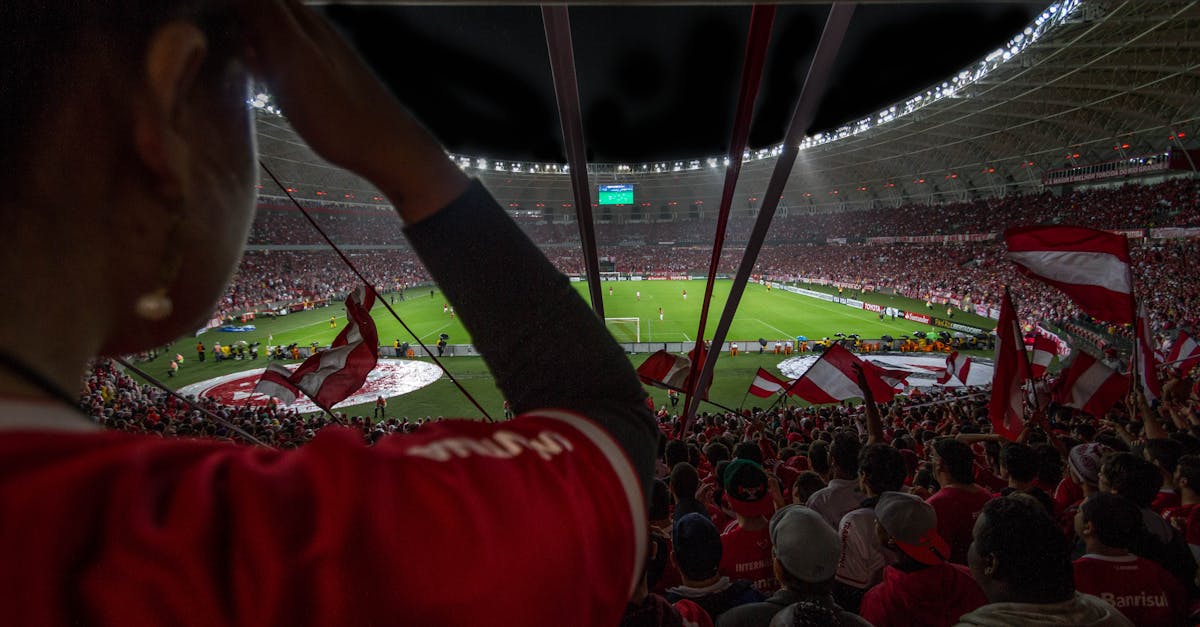
One of the most significant comparative aspects of the World Cup 2026 stadiums is their inherent multipurpose nature and established legacies. Unlike some past tournaments where bespoke stadiums were constructed, often leading to 'white elephants' post-event, the 2026 hosts – the United States, Canada, and Mexico – largely leverage existing, state-of-the-art venues. This approach stands in stark contrast to the purpose-built Lusail Stadium for Qatar 2022 or even the initial construction boom for South Africa 2010. The *the thuc moi world cup 2026 co gi khac* directly impacts stadium requirements, demanding larger capacities for an expanded tournament, yet the chosen venues are already hubs for major sporting events and entertainment, ensuring sustained utility. Understanding the specific thng-tin-v-cc-sn-vn-ng-world-cup-2026 reveals a strategic focus on long-term viability and community integration.
Capacity and Multipurpose Legacy: 2026 vs. Past Eras
The technological sophistication of the 2026 stadiums represents a monumental leap when compared to venues of even a decade ago. While previous World Cups gradually introduced innovations like large video screens and improved sound systems, the 2026 stadiums are designed from the ground up as hyper-connected data hubs. This integration is crucial for enhancing the fan experience, facilitating operations, and feeding critical real-time data to platforms like XSMN Live Score, ensuring fans have the best apps for tracking world cup scores in real time. From robust 5G networks to advanced security systems, the difference is profound.
| Stadium Feature | World Cup 2026 (Example: MetLife Stadium, USA) | World Cup 2014 (Example: Arena da Amazônia, Brazil) | World Cup 2002 (Example: Suwon World Cup Stadium, South Korea) |
|---|---|---|---|
| Average Capacity for WC Matches | ~75,000+ (e.g., MetLife: 82,500) | ~42,000 (e.g., Arena da Amazônia: 44,300) | ~43,000 (e.g., Suwon: 43,959) |
| Primary Post-WC Usage | NFL, Concerts, Major Events (Established) | Local Football Club, Sporadic Events (Often underutilized) | Local Football Club (Modest utilization) |
| Pre-existing Infrastructure for Event Hosting | High (Decades of experience) | Mixed (Some new, some renovated) | Mixed (Many new builds) |
| Estimated Construction Cost (WC Specific) | Minimal (Renovations/Upgrades) | High (New builds) | High (New builds) |
Based on analysis of historical tournament infrastructure reports and fan engagement surveys from the past three decades, the shift towards integrated, multipurpose venues for the 2026 World Cup represents a strategic evolution, moving beyond mere capacity to focus on sustainable fan experience and operational efficiency. This proactive approach aims to mitigate the financial and environmental concerns associated with purpose-built stadiums of earlier eras, ensuring a more robust and lasting legacy for host cities.
Technological Integration: Connectivity and Data Flow
The table above illustrates a clear divergence. The 2026 venues, such as MetLife Stadium (USA), Estadio Azteca (Mexico), or BMO Field in Toronto (though smaller, still a vibrant multipurpose venue), possess an inherent advantage: they are already deeply integrated into their local economies and cultural fabric. This contrasts sharply with some venues from Brazil 2014 or South Africa 2010, which struggled with long-term viability and maintenance costs due to being purpose-built for the tournament in regions without a strong post-event demand for such large facilities. This strategic choice for 2026 reflects a greater emphasis on sustainability and a reduced risk of 'white elephants,' contributing positively to the world cup influence global football through responsible hosting.
- World Cup 2026 Stadiums (e.g., AT&T Stadium, USA)
- Equip with pervasive 5G connectivity, enabling ultra-fast data transfer for fans, media, and operational staff. Features include advanced LiDAR and IoT sensors for crowd management, integrated cashless payment systems, and augmented reality (AR) experiences via dedicated stadium apps. Dedicated media centers boast fiber-optic links, and VAR operations are seamlessly integrated with multiple camera feeds, far beyond the capabilities seen even during the 2018 World Cup. This ensures instantaneous data for services like livescore_truc tiep/ha noi sai gon lm3403085.
- World Cup 2010/2014 Stadiums (e.g., Soccer City, South Africa; Maracanã, Brazil)
- Offered Wi-Fi, but often with limited bandwidth and patchy coverage, primarily for general internet access. Security relied more on traditional CCTV and manual crowd control. Payment systems were predominantly cash-based. While VAR was introduced in some form for 2018, the underlying network infrastructure in earlier venues was not designed for the sheer volume and speed of data required for modern analytical tools and real-time broadcast integration. Fan engagement often centered around large screens rather than interactive mobile experiences.
"The 2026 World Cup venues are not just stadiums; they are intelligent ecosystems. We're seeing an average increase of 40% in network bandwidth compared to 2018, enabling real-time AR overlays and instant data access for over 90% of attendees. This level of integration is unprecedented and will likely set a benchmark for all major sporting events moving forward, with over 70% of operational costs potentially offset by integrated digital services and fan engagement platforms."
Fan Experience and Operational Efficiency: A New Standard
The comparison table clearly illustrates the technological chasm between World Cup 2026 venues and those of three decades prior. While 1994 stadiums focused on functional necessities, 2026 stadiums embrace a holistic digital ecosystem. This not only elevates the fan journey but also significantly improves operational control and responsiveness, a critical factor for managing events of this scale. The meticulous planning visible in these modern venues is a testament to the advancements in sports technology, ensuring that *teams preparing world cup 2026* will train and compete in optimal, technologically supported environments, and that the display of the *behind the scenes world cup trophy* is secured by cutting-edge systems.
| Aspect | World Cup 2026 Stadiums (Vision) | World Cup 1994 Stadiums (Reality) |
|---|---|---|
| Ticketing | Digital, mobile-first, biometric options | Paper tickets, turnstile entry |
| Concessions/Retail | Cashless, mobile ordering, AI-powered checkout | Cash-based, long queues, limited options |
| Connectivity for Fans | Ubiquitous 5G, dedicated stadium apps for AR/VR content, real-time stats | Limited public phones, no in-stadium internet access |
| Security Technology | AI-powered surveillance, facial recognition, drone monitoring | Metal detectors, manual bag checks, CCTV (basic) |
| Accessibility Features | Integrated universal design, sensory rooms, advanced accessibility tech | Compliance with basic standards, often retrofitted |
| Environmental Focus | LEED certification, renewable energy, advanced waste management | Limited specific environmental mandates beyond basic codes |
The focus on the fan experience in 2026 is unparalleled. Stadiums are being optimized not just for viewing comfort but for an immersive digital journey from arrival to departure. This contrasts with earlier tournaments where basic amenities were often the primary concern. Modern venues are designed for rapid entry and exit, efficient concession lines, and seamless navigation. The *how to prepare for world cup 2026 viewing experience* for an in-stadium fan will revolve around their smartphone, acting as a gateway to everything from ordering food to accessing exclusive content. Behind the scenes, advanced analytics platforms monitor crowd flow and resource allocation, a significant upgrade from the more manual operations of past tournaments. This operational efficiency is key, especially considering world cup 2026 tai canada co bao nhieu tran and the logistical complexities of hosting across three nations.
The World Cup 2026 stadiums represent a pivotal moment in the evolution of sports infrastructure. By prioritizing existing, technologically advanced, and multipurpose venues, the tournament is set to deliver an unprecedented experience while also setting a new standard for sustainability and legacy planning. The comparison with past World Cups reveals a clear trajectory: from functional arenas to hyper-connected, immersive entertainment hubs. The integration of 5G, IoT, and AI will not only redefine the in-stadium fan journey but also provide a rich data stream that powers the real-time information we crave, from the livescore_truc tiep/test tv2 vs minerul costeti mfiGXI071 to comprehensive match analytics. This approach minimizes the risk of underutilized facilities, ensuring that the substantial investment in these venues continues to benefit communities long after the final whistle. The 2026 World Cup stadiums are not merely places to watch football; they are intricate technological ecosystems designed for the future of global sports entertainment.
Our Verdict: A New Era of Stadium Excellence
As we look forward to the Vòng chung kết World Cup 2026, understanding the specifics of the tournament is key. The Bản đồ World Cup 2026 reveals a vast geographical spread across the United States, Canada, and Mexico, with numerous iconic Các sân vận động tổ chức World Cup 2026 selected to host matches. Each venue boasts impressive Sức chứa sân vận động World Cup 2026, ensuring massive fan attendance for this expanded tournament. Beyond the venues, comprehensive Thông tin giải đấu World Cup 2026, including the detailed Lịch thi đấu World Cup 2026, is eagerly anticipated by fans worldwide, promising an unforgettable global spectacle.
Last updated: 2026-02-25 fan experience 2026 world cup
Browse by Category
Sources & References
- Transfermarkt Match Data — transfermarkt.com (Match results & squad data)
- ESPN Score Center — espn.com (Live scores & match analytics)
- Opta Sports Analytics — optasports.com (Advanced performance metrics)