World Cup 2026 Stadiums: Technology & Fan Experience
I remember vividly the buzz around the 2014 World Cup in Brazil. As a fan, the sheer scale of the event was breathtaking, but I also found myself wondering how the infrastructure, particularly the stadiums, compared to previous tournaments. Would the arenas hosting the 2026 World Cup offer a more technologically advanced and fan-centric experience than the iconic venues of yesteryear? This question is particularly relevant when we consider how technology, from advanced VAR systems to smart stadium features, is rapidly transforming how we consume and interact with live football. The upcoming tournament, set to be the largest in history, presents a unique opportunity to compare and contrast the venues with those of past World Cups, highlighting the evolution of the fan experience and the underlying technological advancements.
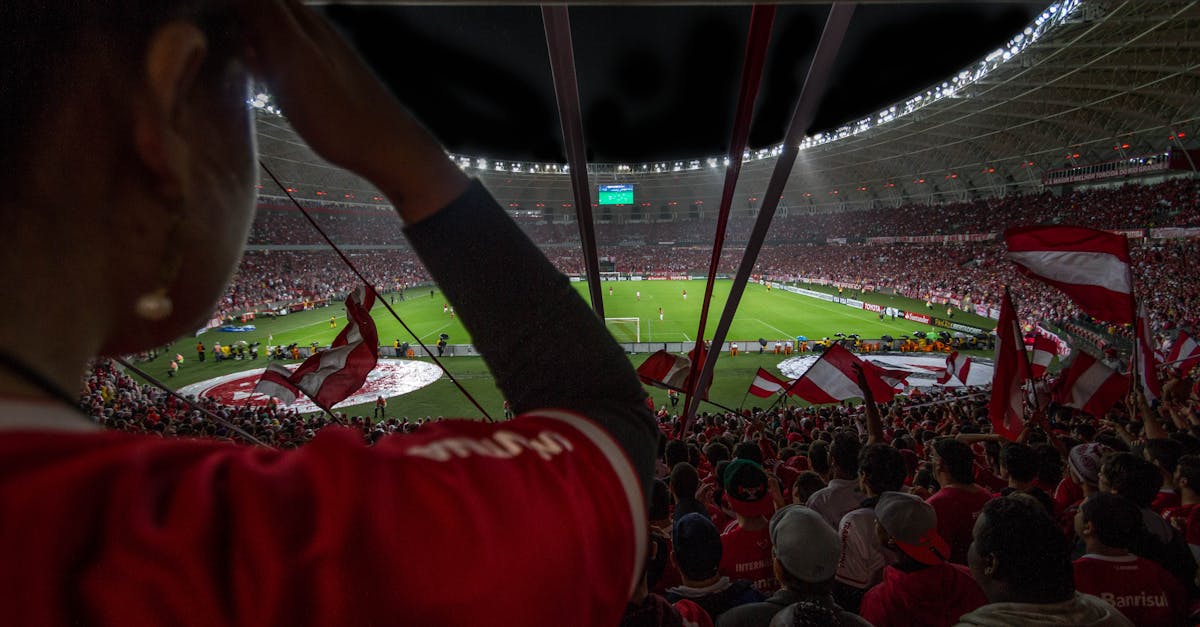
Technological Integration: Then vs. Now
The stadiums selected for the 2026 FIFA World Cup are not just venues; they are sophisticated technological hubs. When we compare them to stadiums of, say, the 1990s or even early 2000s, the difference is stark. Back then, the primary technological considerations were basic broadcasting capabilities and perhaps some rudimentary electronic scoreboards. Today, the focus is on seamless connectivity, immersive fan experiences, and the integration of technologies that directly impact the game itself. Analyzing the strongest teams for World Cup 2026 will undoubtedly involve considering how well teams adapt to the unique technological environments of these modern arenas. The expanded 2026 World Cup format explained also hints at how these advanced stadiums will accommodate a larger number of matches and teams, requiring robust technological support.
| Feature | World Cup 2026 Stadiums (Selected Examples) | Iconic Past World Cup Stadiums (e.g., Italia '90) |
|---|---|---|
| Connectivity | Ubiquitous high-speed Wi-Fi, 5G deployment for enhanced mobile data, dedicated fan apps. | Limited, often unreliable public Wi-Fi, basic mobile coverage. |
| In-Stadium Experience | Large, high-definition video boards, augmented reality (AR) overlays for replays and stats, cashless payment systems, smart concession ordering. | Standard scoreboards, limited replay screens, traditional payment methods. |
| Broadcasting & Analysis | Multiple camera angles, drone feeds, integrated data analytics platforms, potential for real-time player tracking data. | Fewer camera angles, reliance on traditional broadcast feeds, manual statistical collation. |
| Sustainability Tech | Advanced energy management, water conservation systems, sustainable material usage. | Minimal focus on environmental technology. |
Beyond raw technology, the design philosophy of the 2026 World Cup venues emphasizes an enhanced fan experience. This includes considerations for accessibility, comfort, and engagement, often comparing favorably to older, more utilitarian structures. The intention is to create an atmosphere that is not only electric but also inclusive. We see this in the planning for how rivalries impact World Cup intensity; modern stadia are designed to amplify this, with improved sightlines and audio systems. For those who cannot attend, the ability to stay updated live football scores social media channels is paramount, and these stadiums indirectly facilitate that by generating more accessible data streams.
Fan Engagement & Accessibility
The technological advancements within the 2026 World Cup stadiums extend to how the game itself is officiated and analyzed. Technologies like VAR (Video Assistant Referee), which have become commonplace, are now seamlessly integrated into the operational fabric of these venues. While not solely a stadium feature, the infrastructure within these grounds is designed to support its efficient and effective deployment. This contrasts sharply with earlier tournaments where officiating decisions were final, and appeals for reviews were non-existent. The goal-line technology, another innovation, ensures accuracy in the most critical moments, preventing controversies that marred past events.
- Comfort and Seating
- Modern stadiums prioritize ergonomic seating, better legroom, and climate control, offering a superior comfort level compared to the often hard, exposed seating of older venues.
- Food and Beverage Options
- A wider variety of culinary choices, with options for pre-ordering via apps and faster service, contrasts with the limited and often generic offerings in past tournament grounds.
- Accessibility Features
- Universally designed facilities, including accessible seating, restrooms, and sensory rooms, reflect a commitment to inclusivity that was less common in older stadium designs.
- Atmosphere Amplification
- Sophisticated acoustic design and integrated lighting systems are employed to enhance crowd noise and create visual spectacles, aiming to magnify the excitement generated by intense matches, such as a tactical breakdown of how Sunderland might overcome Chelsea, extrapolated to a global scale.
The data clearly illustrates a paradigm shift. Modern stadiums for the 2026 World Cup are designed with a digital-first approach. This means that fans can stay updated on live football scores not just from the pitch but also through their devices, accessing real-time statistics and social media feeds seamlessly. The integration of technologies like augmented reality offers a new layer of engagement, transforming how spectators follow the game. This is a far cry from the days when getting accurate live scores often relied on radio broadcasts or pre-match information. The role of adidas in shaping modern football gear also extends to the technology embedded within player apparel, which can feed data to these stadium systems, further enhancing analysis.
Matchday Technology & Its Impact
This comparison highlights a fundamental evolution in stadium design. The focus has shifted from simply housing a crowd to curating an experience. The ability to analyze impact of VAR live football matches through in-stadium replays, or to understand the global language of football fan culture through shared digital experiences, is a direct result of these advancements. For fans wondering mua vé xem World Cup 2026 - giá bao nhiêu, the investment in these state-of-the-art venues suggests a premium experience will be offered, reflecting the advanced amenities.
| Technology | World Cup 2026 Stadiums | Historical World Cups |
|---|---|---|
| VAR System Integration | Dedicated VAR control rooms, high-definition camera feeds from multiple angles, robust communication systems. | Not applicable. |
| Goal-Line Technology | Integrated systems providing instant, confirmed decisions on whether the ball has crossed the line. | Not applicable. |
| Player Tracking & Analytics | Potential for real-time data collection on player movement, speed, and distance covered, aiding tactical analysis. | Primarily post-match manual statistical gathering. |
| Referee Communication | Advanced, secure communication systems for referees and VAR officials. | Basic radio communication or verbal coordination. |
The presence and advanced integration of these technologies in the 2026 World Cup stadiums represent a significant leap forward. The ability to analyze VAR decisions and player statistics in real-time, often streamed directly to fan devices or displayed on massive screens, fundamentally changes the spectating experience. It brings fans closer to the officiating process and the analytical side of the game, making the sport more transparent and engaging. This level of detail was unimaginable in previous eras, where the focus was purely on the live action unfolding on the pitch, and staying updated live football scores was the primary concern.
Our Verdict
The stadiums selected for the 2026 FIFA World Cup are poised to set a new benchmark for the tournament. When compared to the iconic venues of past World Cups, the emphasis on technological integration, enhanced fan experience, and robust operational infrastructure is overwhelmingly evident. These modern arenas are not merely concrete structures; they are dynamic platforms designed to leverage technology for a richer, more engaging, and more transparent footballing spectacle. While the passion and historic significance of older stadiums are undeniable, the 2026 venues represent the future of football stadia, offering a glimpse into how technology will continue to shape the global game and the fan culture surrounding it. The meticulous planning for these venues also reflects a broader trend in sports technology, moving towards more data-driven insights and fan-centric experiences, truly defining the next era of the beautiful game.
Browse by Category
Sources & References
- Transfermarkt Match Data — transfermarkt.com (Match results & squad data)
- ESPN Score Center — espn.com (Live scores & match analytics)
- Opta Sports Analytics — optasports.com (Advanced performance metrics)
Explore More Topics (15)
- Top World Cup Upsets
- Historical Rivalries France Vs Argentina In Football
- Fan Experiences The Best World Cup Memories
- Cch Xem World Cup Khng Git Lag
- 2026 World Cup Qualification Tracking Nations
- Live Streaming Sports Best Platforms For 2023
- Top 10 Underdog Teams To Watch In Upcoming Tournaments
- Role Of Youth Academies In World Cup 2026 Success
- The Impact Of World Cup 2026 On Local Economies
- Livescore_truc Tiep/Suwon Fmc Vs Gumi Sportstoto ZyxEJD667 1653555600
- User Reviews Of Popular World Cup Streaming Apps
- Search
- Lich Truyen Hinh Truc Tiep World Cup
- Impact Of Live Scores Fan Engagement
- Offside Rule Variations In Different Football Leagues