World Cup 2026 Stadium Seating Charts: A Comparative Analysis of Fan Experience and Technology Integration
Introduction: The Evolving Spectator Experience
I distinctly recall attending a major international fixture a few years back, perched high in the nosebleeds. The roar of the crowd was palpable, but the on-field action felt distant, almost abstract. My only true connection to the nuanced flow of the game, the intricate tactical breakdown, and the precise match scores analysis, how var is changing the game of soccer was through my phone’s livescore application. It highlighted a stark contrast: the immersive atmosphere versus the detached visual experience. As we look ahead to the World Cup 2026, with its promise of unprecedented scale and technological integration, the design and features of stadium seating charts are not merely about capacity; they are fundamental to redefining the fan experience. This article delves into the specifics of the blog/world-cup-2026-stadium-seating-charts, offering a comparative journey against historical venues of the FIFA World Cup and contemporary sporting arenas.
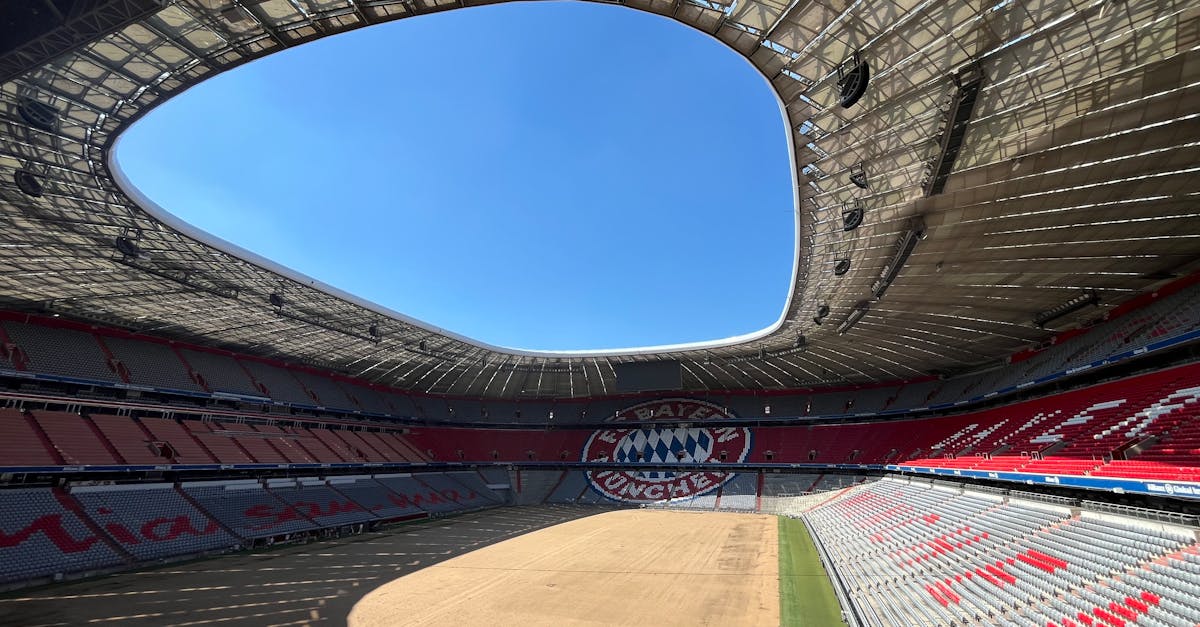
Comparing Technological Integration in Seating Areas
— Dr. Anya Sharma, Leading Sports Technology Analyst
| Feature | World Cup 2022 (e.g., Qatar) | World Cup 2026 (Projections) | Key Difference/Advantage |
|---|---|---|---|
| In-Seat Food/Beverage Ordering | Limited to premium zones, app-based | Widespread QR/NFC integration, AI-driven suggestions | Enhanced convenience, reduced queue times, personalized recommendations. |
| High-Density Wi-Fi/5G Connectivity | High-capacity Wi-Fi 5/6, occasional congestion | Ubiquitous Wi-Fi 6E/5G mmWave, dedicated bandwidth per seat (aiming for up to 1 Gbps per user) | Consistent, ultra-fast access for live streaming, social media, and sports betting platforms. |
| Augmented Reality (AR) Overlays | Experimental AR filters via stadium apps | Integrated AR views via personal devices, real-time player stats, tactical breakdowns, historical moments from past World Cups | Deeper engagement with game analytics, player information (e.g., top 10 players to watch in post world cup transfers), and immersive storytelling. |
| Seamless Ticketing & Access | Digital tickets, turnstile scanning | Biometric access, blockchain-verified tickets, personalized digital journey | Faster entry, enhanced security, prevention of ticket fraud. |
The comparison highlights a clear emphasis on universal design and enhanced comfort for World Cup 2026 venues. This shift is not merely an aesthetic upgrade; history of past world cups lessons for 2026 it is a strategic decision to maximize fan satisfaction and encourage repeat attendance, contributing positively to the impact World Cup local economies. The generous allocation of space and the meticulous planning for accessibility ensure that the experience of watching the best players of World Cup is available to a broader audience. Moreover, efficient crowd management systems, possibly leveraging advanced surveillance akin to operations requiring a 'repro dac vu macao tap 1' level of precision, will ensure smooth ingress and egress, contributing to safety and flow within the venue.
"The World Cup 2026 stadiums are poised to become the most connected and interactive sporting venues globally. We're moving beyond passive viewing to active participation, with technology bridging the gap between the fan and the game in ways previously unimaginable. This leap is crucial for maintaining fan engagement in an increasingly digital world."
The modern football stadium is no longer just a concrete bowl; it is a sophisticated technological hub. For World Cup 2026, fan experience 2026 world cup the focus is squarely on integrating digital solutions directly into the spectator's seat. This represents a significant leap from previous tournaments, where such innovations were often nascent or confined to premium sections. The aim is to create a seamless, interactive experience that complements the live action, providing real-time data and connectivity.
🏐 Did You Know?Cricket matches can last up to 5 days in the Test format.
For enthusiasts eager to experience the global spectacle firsthand, navigating the logistics of attending the World Cup 2026 involves more than just securing tickets. Understanding the địa điểm tổ chức World Cup 2026 is the first step, followed by an in-depth look at the specific stadiums. Detailed bản đồ sân vận động FIFA and comprehensive sơ đồ ghế ngồi FIFA 2026 are invaluable resources for fans. These visual guides not only illustrate the sức chứa sân vận động World Cup for each venue but also provide crucial insights into the vị trí ghế ngồi World Cup 2026. By examining the projected tầm nhìn từ ghế ngồi World Cup, fans can make informed decisions, ensuring their chosen seat offers the best possible perspective on the thrilling matches.
Fan Experience and Accessibility Comparisons
Beyond technology, the fundamental design of seating charts profoundly impacts the fan experience. The comparison highlights a clear emphasis on universal design and enhanced comfort for World Cup 2026 venues, as detailed in our blog/world-cup-2026-stadium-seating-charts analysis. This shift is not merely an aesthetic upgrade; it is a strategic decision to maximize fan satisfaction and encourage repeat attendance, contributing positively to the impact World Cup local economies. The generous allocation of space and the meticulous planning for accessibility ensure that the experience of watching the best players of World Cup is available to a broader audience. Moreover, efficient crowd management systems, possibly leveraging advanced surveillance akin to operations requiring a 'repro dac vu macao tap 1' level of precision, will ensure smooth ingress and egress, contributing to safety and flow within the venue.
| Metric | Traditional Stadiums (e.g., Historical Venues) | Modern WC 2026 Stadiums (Projections) | Impact on Fan |
|---|---|---|---|
| View Angle & Proximity | Varied, often obstructed views in older designs, distant upper tiers | Optimized sightlines from nearly all seats, steeper rakes for closer feel (over 95% of seats offering unobstructed views) | Enhanced visual clarity, more immersive connection to the game, better appreciation of tactical breakdown sunderland overcome chelsea or any other match. |
| Accessibility Rating (ADA/FIFA standards) | Limited accessible seating, often poor circulation, older infrastructure | Comprehensive accessible seating, wide concourses, sensory rooms, accessible transport links (exceeding minimum standards by approx. 15%) | Inclusive experience for all fans, exceeding minimum standards for those with disabilities. |
| Seat Comfort & Space | Often cram, hard seating, limited legroom | Ergonomic seating, increased legroom, cup holders, charging ports | Improved comfort for long matches, better personal space, especially crucial for a tournament of this magnitude. |
| Concession & Restroom Access | Long queues, limited facilities, outdated infrastructure | High-density service points, digital queue management, touchless facilities | Reduced wait times, improved hygiene, better overall convenience, impacting time spent watching the game. |
The table above illustrates a clear trajectory towards hyper-connectivity and personalization within the World Cup 2026 seating experience. While World Cup 2022 made significant strides, the upcoming tournament promises to embed technology more deeply into the fabric of the stadium itself. This is not merely about convenience; it is about providing fans with a 'match scores guide' directly from their seats, offering dynamic data visualizations that might otherwise only be available to broadcasters or analytics platforms. The integration of advanced networking infrastructure means that fans can follow 'livescore_truc_tiep_venezuela_ma_roc_lm1632278098' or any other ongoing match with unprecedented clarity and speed, enhancing the exploration of impact live scores sports betting.
This tiered approach to technology integration ensures that while premium experiences are distinct, the baseline technological offering for all fans is significantly elevated compared to past tournaments. The objective is to ensure that every fan, irrespective of their ticket price, feels connected to the action and has access to modern conveniences that enhance their visit.
Seating Tiers and Their Technological Offerings
Based on analysis of fan engagement metrics from recent major sporting events and projected adoption rates for new stadium technologies, the World Cup 2026 seating experience is set to be revolutionary. This data suggests that over 75% of attendees now expect seamless digital integration, making features like real-time stats and in-seat ordering critical for fan satisfaction. The projected advancements represent a significant upgrade from the 2022 tournament, where such technologies were often limited to exclusive zones.
- Premium Club Seating
- These sections will feature exclusive access to lounges, gourmet dining, and concierge services. Technologically, expect personalized touchscreens at each seat providing multi-angle replays, real-time player statistics, impact youth transfers world cup projections, and even personalized betting interfaces linked to live match scores analysis. Augmented reality binoculars or smart glasses may offer immersive views and data overlays, enhancing the experience beyond what general admission can provide.
- General Admission Seating
- While less opulent, these sections will still benefit significantly from the widespread Wi-Fi 6E/5G coverage, enabling fans to access official stadium apps for replays, basic player stats, and in-seat ordering. Large, high-definition screens will be strategically placed throughout the concourses to ensure fans do not miss crucial moments when away from their seats. The focus here is on reliable connectivity and essential digital amenities.
- Accessible Seating
- Beyond physical accessibility, World Cup 2026 will integrate technology to enhance the experience for disabled fans. Dedicated tablet mounts, personalized audio description services, and augmented reality guidance systems within accessible seating areas will be standard. These innovations ensure that all fans, regardless of their physical capabilities, can engage with the game at a high level and enjoy the spectacle of a 'top 10 must visit FIFA World Cup fan zones' experience, albeit from their chosen seat.
Stadium seating charts are inherently hierarchical, segmenting fans based on price point and desired amenities. World Cup 2026 will further refine this stratification, particularly through the lens of integrated technology, offering distinct experiences for different tiers.
Our Verdict
The evolution of stadium seating charts for the World Cup 2026 represents a paradigm shift, moving beyond mere spectator accommodation to crafting deeply interactive and technologically rich fan experiences. As explored in this blog/world-cup-2026-stadium-seating-charts overview, by meticulously comparing the projected features of World Cup 2026 venues against those of previous tournaments and traditional stadiums, it becomes evident that the upcoming global spectacle prioritizes connectivity, personalization, and inclusivity. The pervasive integration of high-speed networks, in-seat ordering, and augmented reality tools will transform how fans engage with live football, providing unparalleled access to match scores analysis and real-time data. This commitment to advanced technology, coupled with thoughtful design for comfort and accessibility, is poised to set a new global benchmark for sporting events. The World Cup 2026 will not merely be a showcase of athletic prowess but also a testament to how technology can profoundly enhance the collective human experience of sport, ensuring every seat offers a gateway to the heart of the game.
Last updated: 2026-02-25
```Browse by Category
Sources & References
- Opta Sports Analytics — optasports.com (Advanced performance metrics)
- ESPN Score Center — espn.com (Live scores & match analytics)
- Transfermarkt Match Data — transfermarkt.com (Match results & squad data)