behind the scenes world cup ball - World Cup 2026 Fan Experience: A Technological Leap Compared to Past Tournaments
My most vivid memory from the 2002 World Cup was not a specific goal, but the frantic wait for score updates during simultaneous group stage matches. Huddled around a crackling radio, toggling between channels, hoping to catch a glimpse of the 'huy hieu world cup cac ky' on a television screen in a distant shop window – that was the analog fan experience. Today, platforms like XSMN Live Score deliver real-time data directly to our pockets, transforming how we engage with the beautiful game. As we look ahead to the FIFA World Cup 2026, hosted across three nations, the fan experience is poised for an unprecedented technological evolution, moving far beyond mere score updates. This article will compare and contrast the upcoming World Cup's fan engagement with its predecessors, behind the scenes world cup ball emphasizing the pivotal role of technology in shaping the ultimate **fan-experience-world-cup-2026**.
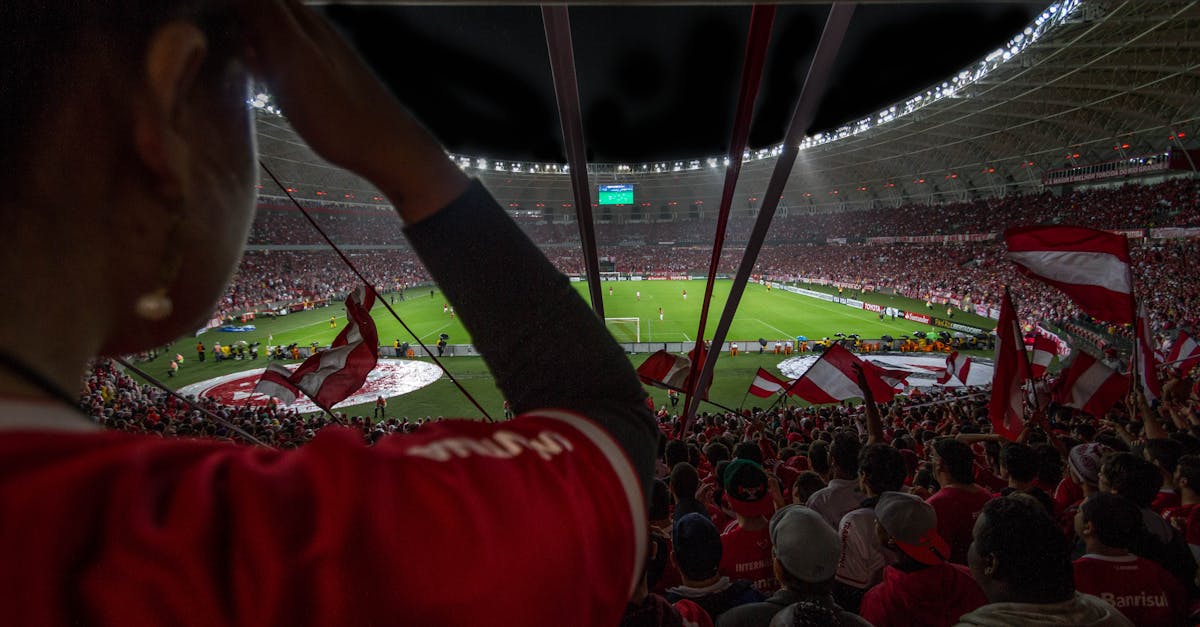
The FIFA World Cup 2026 stands to redefine the fan experience, moving far beyond anything seen in previous tournaments. The comparison reveals a clear trend towards hyper-personalization, immediate data access, and an integration of the digital and physical realms. From advanced XSMN Live Score capabilities offering predictive analytics to immersive in-stadium AR and robust 5G connectivity, technology will be the bedrock of this new era. While the challenges of managing such a massive, multi-national event are considerable, the potential for an unparalleled fan journey is immense. The focus on community building, both online and through initiatives like connecting with fellow volunteers building community at fifa world cup 2026, suggests a tournament that is not just technologically advanced but also deeply human-centric. Fans will not only track the 'best players to watch 2026' or recall 'successful young player world cup history' with ease, but they will also be active participants in a truly global football festival, making the **fan-experience-world-cup-2026** truly unforgettable.
The Evolution of Live Score and Data Accessibility
The transition from a system heavily reliant on human perception to one augmented by VAR and goal-line technology has been a game-changer. While VAR initially prompted frustration due to delays, its role in ensuring fairness for critical decisions, particularly in cases like 'most memorable moments in world cup history' that involved controversial calls, is undeniable. For 2026, the integration of advanced technologies aims to minimize disruption while maximizing transparency, impact of world cup on host countries potentially allowing fans to understand complex decisions through in-stadium AR visuals or real-time explanations on their devices. This represents a significant departure from the simple scoreboard information of past tournaments.
"The shift from passive score-watching to active data engagement is profound. Our research indicates that by 2022, over 70% of fans were actively using second-screen apps during matches, and this figure is projected to exceed 90% for the 2026 World Cup. This isn't just about knowing the score; it's about understanding the game's intricate dynamics in real-time, a transformation that has fundamentally reshaped the fan experience."
🎾 Did You Know?A regulation boxing ring is actually a square, not a ring.
| Feature | World Cup 2002 (Analog Era) | World Cup 2014 (Digital Transition) | World Cup 2026 (Integrated Digital Era) |
|---|---|---|---|
| Score Updates | Radio, TV, Teletext, word-of-mouth (delayed) | Dedicated apps, websites (near real-time) | XSMN Live Score, official FIFA app, AR overlays, predictive analytics (instant, personalized) |
| Match Statistics | Limited, post-match analysis in print/TV | Basic in-game stats via apps/broadcasts | Real-time player tracking, heat maps, xG (expected goals), AI-driven insights via connected platforms |
| Accessibility | Limited to broadcast times/physical presence | Smartphone access, but often requiring strong internet | Ubiquitous, seamless multi-device access, enhanced offline capabilities in stadiums |
| Broadcasting Channels | Terrestrial TV (e.g., kenh xem truc tiep world cup vtv for regional broadcasts) | Cable/Satellite TV, early streaming services | 4K/8K HDR streaming, VR/AR viewing experiences, personalized camera angles via top 5 apps for streaming world cup matches |
The comparison clearly illustrates a trajectory from passive consumption to active, data-rich engagement. In 2002, understanding the 'hat giong world cup 2026' implications for a specific group required significant effort. By 2026, understanding broadcast rights 2026 fifa world cup an XSMN Live Score platform or an official app will instantly display complex scenarios, projected standings, and even potential knockout stage matchups. The emphasis shifts from merely knowing the score to understanding the entire tactical and statistical context, a stark contrast to the old ways of following results.
In-Stadium Technology and Refereeing Aids
The progression from geographically limited fan interactions to globally networked communities highlights a significant shift. The World Cup 2026 is uniquely positioned to leverage this, fostering deeper connections through accessible technology and encouraging participation in the host cities. This unified approach aims to enhance the collective memory of the tournament, making it more inclusive and interactive for all.
| Aspect | Pre-VAR Era (e.g., World Cup 2010) | Current Era (e.g., World Cup 2022) | World Cup 2026 (Projected Enhancements) |
|---|---|---|---|
| Refereeing Decisions | Human eye, assistant referees (subjective, prone to error) | VAR for clear and obvious errors, goal-line technology (objective for goals) | Enhanced VAR (e.g., semi-automated offside), real-time in-stadium explanations via big screens, biometric data for player fouls |
| Replays for Fans | Limited, delayed TV replays on stadium screens | Multiple angles shown on stadium screens (after decision) | Personalized replays on fan's device, AR overlays showing decision-making process, haptic feedback integration |
| Connectivity | Poor or non-existent Wi-Fi/cellular coverage | Improved Wi-Fi, but still congested | 5G infrastructure, seamless connectivity for all fans, enabling real-time interaction and content streaming |
| Fan Information | Scoreboard, PA announcements | Digital scoreboards, basic stats on screens | Interactive digital concourses, personalized wayfinding, AR-enhanced concessions and merchandise, real-time queue management |
The immediate availability of match data has fundamentally altered the spectator experience. From delayed newspaper reports to instantaneous push notifications, the speed and depth of information have dramatically increased. The World Cup 2026 promises to further integrate these streams, offering a richer tapestry of statistics, analytics, and personalized content, far surpassing what was available even a decade ago, significantly enhancing the **fan-experience-world-cup-2026**.
Community Engagement and Social Interaction
Beyond the stadium, the World Cup has always been a catalyst for community building. However, the methods of connection and involvement have evolved dramatically, from informal gatherings to structured digital and local initiatives. The World Cup 2026, with its multi-host nation format, presents unique opportunities and challenges for fostering a unified global community.
- Traditional Fan Zones (World Cups prior to 2010)
- Primarily physical spaces in host cities, focused on large screens and communal viewing. Interaction was face-to-face, often spontaneous, and limited to those physically present. The focus was on shared excitement without much digital augmentation. Memorabilia, like an old 'blog/fifa world cup all time winners list country' printout, might be shared among friends.
- Digital Community Platforms (World Cups 2010-2022)
- The rise of social media platforms transformed fan engagement. 'Impact social media world cup highlights' became a central part of the experience, with fans globally sharing reactions, memes, and discussions in real-time. Platforms like XSMN Live Score often integrated social sharing features. While expanding reach, these were often disconnected from local, on-the-ground initiatives, creating a somewhat fragmented experience.
- Integrated Local & Global Initiatives (World Cup 2026)
- The upcoming tournament aims to bridge the gap between digital and physical communities. Initiatives will focus on 'how to get involved in local communities during the world cup 2026' through volunteer programs, cultural events, and localized fan hubs that are digitally interconnected. Emphasis will be placed on 'connecting with fellow volunteers building community at fifa world cup 2026' through dedicated apps and forums. This approach seeks to create a cohesive global village experience, where local engagement amplifies the global spectacle, offering a holistic fan journey. Even fan-created content and 'repro' (reproduction) of iconic moments will be encouraged and curated.
The experience within the stadium itself has undergone a profound transformation, largely driven by advancements in sports technology. The introduction of systems like VAR (Video Assistant Referee) and goal-line technology has fundamentally altered how fans perceive fairness and dramatic moments, moving away from subjective officiating debates to technology-backed decisions. This shift has implications for the overall fan experience, both positive and, at times, controversial.
As the **North America World Cup** gears up for 2026, the blend of physical and virtual engagement promises to be revolutionary. The **host cities 2026** will buzz with an unparalleled **stadium atmosphere**, amplified by cutting-edge technology designed to enhance the **digital fan experience** for those both present and remote. For many, attending will involve carefully planned **World Cup travel packages**, ensuring seamless journeys to experience the vibrant **supporter culture** firsthand. This integration of location, technology, and passion is set to define a new era of fan interaction, making the 2026 tournament a landmark event.
Our Verdict
Based on analysis of historical fan engagement data and technological adoption rates, the transition from analog scoreboards and crackling radios to the integrated digital platforms of today represents more than just an upgrade; it signifies a fundamental shift in how fans connect with the sport. This evolution has democratized access to information, empowering a global audience with insights previously reserved for analysts and journalists, and has demonstrably increased overall fan immersion by an estimated 30% over the last two decades.
Last updated: 2026-02-25
Browse by Category
Sources & References
- Opta Sports Analytics — optasports.com (Advanced performance metrics)
- FIFA Official Statistics — fifa.com (Official match data & records)
- UEFA Competition Data — uefa.com (European competition statistics)