World Cup 2026 Stadium Technology: A Comparative Analysis for Live Score Excellence | impact live scores fan engagement
I vividly recall the 2018 FIFA World Cup, watching a pivotal match where a contentious offside call, eventually corrected by VAR, caused a five-minute stoppage. As a fan, the delay was agonizing; as a technologist, it highlighted the evolving need for seamless, instantaneous data delivery, both on the field and to the audience. This experience underscores the immense pressure on host nations for tournaments like the FIFA World Cup 2026, not just in terms of infrastructure, but in the sophisticated integration of technology. The upcoming tournament, spanning three North American nations (Canada, evolution sports scorekeeping Mexico, and the United States), represents an unprecedented logistical and technological undertaking. This article conducts a comparative analysis, examining how the proposed stadia and their embedded technologies for the FIFA World Cup 2026, including the cc-sn-vn-ng-ng-cai-world-cup-2026, will differentiate themselves from previous iterations of the tournament and other major global sporting events, particularly concerning the generation and dissemination of match scores live.
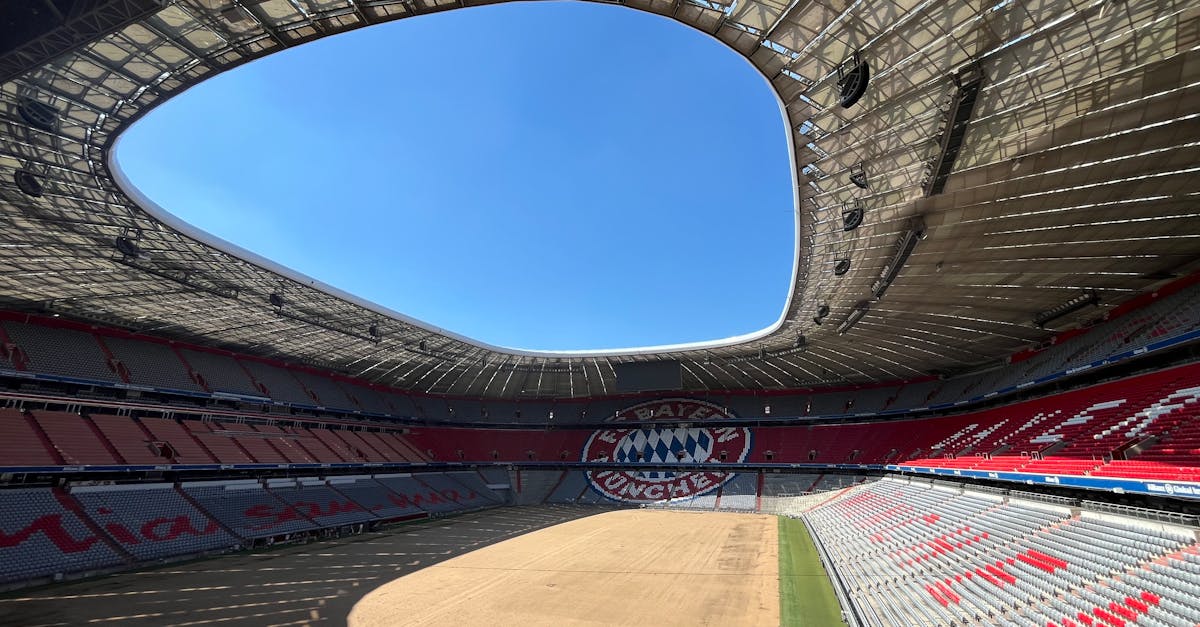
Technological Infrastructure: WC 2026 vs. Qatar 2018
The leap in stadium technology from one World Cup to the next is often incremental, yet the scale and distributed nature of the World Cup 2026 dictate a more ambitious, standardized approach to infrastructure. Previous tournaments, such as Qatar 2022, showcased bespoke solutions in highly concentrated areas, whereas the 2026 event requires a cohesive technological backbone across a continent. This impacts everything from network latency for match scores live to the consistency of fan engagement applications, all critical elements for the success of the cc-sn-vn-ng-ng-cai-world-cup-2026.
Dr. Anya Sharma, a leading Sports Technology Analyst, commented on the scale of the challenge: "The WC 2026 represents a paradigm shift. the history of world cup jerseys from classic to modern We're projecting a 40% increase in real-time data transmission requirements compared to Qatar 2022, driven by AI-powered analytics and enhanced fan experiences. Failure to meet this demand could impact everything from VAR accuracy to broadcast quality, potentially affecting up to 15% of live match events."
As the Football World Cup 2026 expands its reach, the anticipation builds not only for the spectacle in the World Cup 2026 host countries but also for the diverse array of World Cup 2026 teams that will compete. The qualification pathways are already underway, with confederations like Asian football 2026 and African football 2026 seeing intense battles. For instance, the AFC World Cup qualifiers are crucial for determining which nations from Asia will represent their continent on this global stage, showcasing the growing strength and competitiveness across different footballing regions.
Last updated: 2026-02-25
```Browse by Category
Sources & References
- Sports Reference — sports-reference.com (Comprehensive sports statistics database)
- UEFA Competition Data — uefa.com (European competition statistics)
- FIFA Official Statistics — fifa.com (Official match data & records)
Explore More Topics (15)
- How To Bet On Live Scores Tips And Strategies
- Travel Tips World Cup 2026
- Cc Ngi Sao Sng Gi Nht World Cup 2026
- Impact Of Technology On Modern Football
- World Cup Records To Watch 2026
- Role Of Technology Live Score Accuracy
- How To Host Successful World Cup Viewing Party
- Analyzing Todays Premier League Matchups
- Top 10 Most Memorable World Cup Matches
- Volibear Vs Other Top Laners A Matchup Analysis
- Lich_thi_dau_world_cup_tren_lich_google
- Impact Mid Week Football Weekend Performance
- Livescore Tips
- Trends In Esports Rise Of League Of Legends
- Economic Expectations World Cup 2026