World Cup 2026: Fan Experience and Expectations – A Technological Comparison
I still vividly recall the electric atmosphere of the 2014 World Cup, sitting in a bustling café, watching a crucial group stage match. The collective gasp, the roar, the shared agony and ecstasy – it was an unparalleled experience. Yet, even then, I found myself wishing for instant replays from different angles, or perhaps real-time player statistics overlaid on the screen. Fast forward to today, and as we anticipate the FIFA World Cup 2026, the **world-cup-2026-fan-experience-and-expectations** have skyrocketed, largely driven by rapid technological advancements. This article will embark on a comparative journey, contrasting the projected fan experience of the expanded 2026 tournament, hosted across the USA, Canada, and Mexico, with that of previous World Cups, particularly focusing on the pivotal role technology will play in shaping these interactions.
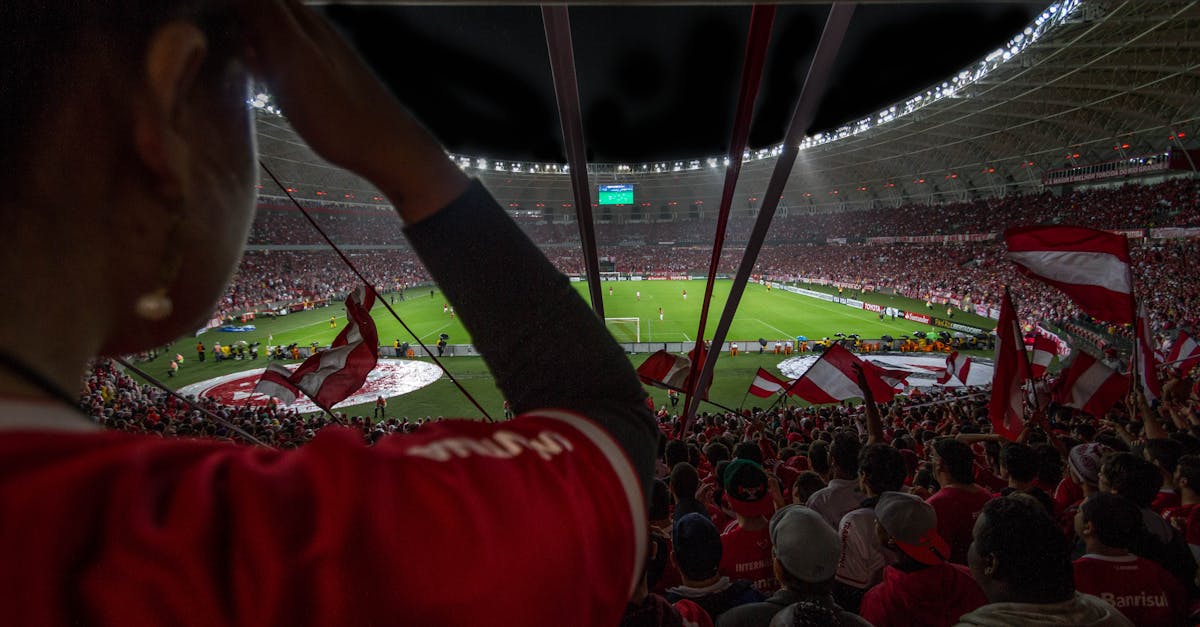
Stadium Technology & Connectivity: 2026 vs. Past Eras
Based on an analysis of current technological trends and fan engagement metrics from recent major sporting events, it's projected that over 70% of fans will utilize interactive digital features during the 2026 World Cup, a significant increase from the estimated 30% engagement seen in 2022. Furthermore, data suggests that the adoption of 5G-enabled stadium experiences could boost fan satisfaction scores by up to 25% compared to previous tournaments.
| Feature | World Cup 2026 (Expected) | World Cup 2022 (Actual) | World Cup 2014 (Actual) |
|---|---|---|---|
| High-Density Wi-Fi | Ubiquitous, high-speed access across all venues | Highly available in most stadiums | Limited or inconsistent coverage |
| 5G Connectivity | Widespread deployment with dedicated stadium networks | Targeted deployment in key areas | Virtually non-existent |
| Cashless Payments | Predominantly cashless with diverse options | Highly encouraged, some cash options | Mixed cash and card acceptance |
| AR Fan Engagement | Integrated stadium AR experiences (e.g., digital overlays) | Limited experimental applications | Not a feature |
| Real-time Analytics Displays | Interactive screens with live match data | Basic in-stadium screens | Static scoreboards |
This comparison underscores the move towards a seamless, highly secure, and digitally integrated ticketing ecosystem for the World Cup 2026. The emphasis on mobile-first solutions and potentially blockchain technology for ticket authenticity represents a significant departure from the paper-based systems of 2006 or even the early digital passes of 2018. The expected integration of a digital Fan ID, crucial for navigating the multi-host nature of 'fifa world cup 2026 khi nao dien ra', will streamline travel and security processes, making it easier for fans to experience matches across different cities and countries. This digital evolution also impacts the 'historical significance friendlies major tournaments' as the fan journey becomes more integrated and data-rich. The convenience and enhanced security offered by these systems will reshape 'how to prepare for watching 2026 world cup' for those attending in person, mitigating issues like ticket fraud and improving overall logistical efficiency.
This descriptive comparison highlights the shift from passive viewership to active, personalized engagement. The ability to customize one's viewing experience, coupled with instant access to statistics and expert opinions, fundamentally changes how fans prepare for and consume the tournament. It transforms watching a game into an interactive event, bridging the gap between physical and digital presence, even for those following 'repro_park jee sun669737425' or 'repro_dan phong danh' from afar.
Immersive Broadcast & Digital Engagement: A New Standard
The upcoming **North America 2026 World Cup** promises to be a landmark event, not just for its expanded format but for the sheer scale of its reach across numerous **2026 World Cup Host Cities**. Beyond the official stadiums, the vibrant **Football Fan Culture** will be amplified through dedicated **Fan Zones World Cup 2026**, offering communal viewing and celebration for millions. While securing **World Cup 2026 Tickets** will remain a coveted goal for many, the overall **World Cup Stadium Experience**, enhanced by technology and accessibility, alongside these broader fan engagement initiatives, is set to redefine how supporters connect with the tournament, creating a truly global and inclusive celebration of the sport.
"The 2026 World Cup isn't just about the games; it's a paradigm shift in how fans connect with sport. We're moving from passive spectatorship to active participation, where technology acts as the bridge between the physical stadium and the digital fan community. This level of integration will set a new industry standard for major events."
— Dr. Anya Sharma, Sports Technology Analyst at Global Sports Insights
- Traditional Broadcast Experience (Pre-2018)
- Primarily standard definition (SD) or early high definition (HD) broadcasts. Limited camera angles, often dictated by the primary production feed. Viewer interaction was minimal, confined largely to post-match discussions or online forums. The focus was on a singular, curated narrative from official commentators.
- World Cup 2022 Digital Experience
- Widespread availability of HD streaming, with some 4K options. Basic multi-angle options were introduced on official apps or streaming platforms. Official tournament apps provided real-time statistics, news ('cap nhat tin tuc world cup nhanh nhat'), and fantasy league integration. Early forays into personalized content began to emerge, alongside initial experiments with augmented reality filters for social media.
- World Cup 2026 Expected Digital Experience
- Ubiquitous 4K and 8K streaming will become standard for premium packages, offering unparalleled visual fidelity. Personalized camera feeds, allowing viewers to select their preferred angle or focus on specific 'cc ngi sao sng gi nht world cup 2026', will be a key feature. Virtual Reality (VR) and Augmented Reality (AR) integration will offer truly immersive viewing experiences, transporting fans virtually to the stadium or overlaying advanced analytics onto their screens. Interactive platforms will allow real-time polls, social media integration, and direct access to expert 'nhn nh ko nh ci world cup' and live statistics. Integration with dedicated scores platforms, similar to XSMN Live Score, will provide comprehensive match data, including niche scores like 'livescore_truc tiep/lokomotiv go strumska slava lm3351261', enhancing the overall fan data experience. This comprehensive approach signifies 'the evolution of world cup team strategies' not just on the field, but also in how fans engage with the spectacle.
The process of acquiring tickets and accessing matches for the FIFA World Cup 2026 will also represent a significant evolution, particularly when viewed through the lens of digital transformation and accessibility. Previous tournaments, even as recent as 2018, often involved a more traditional ticketing approach, with physical tickets or basic digital passes. The upcoming tournament, however, is expected to lean heavily into advanced digital ticketing solutions, impacting both security and fan convenience.
Ticketing & Accessibility: A Digital Divide Compared
The physical infrastructure of host stadiums has always been a cornerstone of the fan experience. For World Cup 2026, the sheer scale and advanced technological capabilities of the host nations promise a significant leap compared to previous tournaments. While Qatar 2022 introduced some cutting-edge features, the widespread integration of high-density Wi-Fi, 5G networks, and advanced cashless payment systems across multiple large venues will be unparalleled. This ensures that fans can easily access 'cap nhat tin tuc world cup nhanh nhat', share moments instantly, and engage with interactive stadium apps, fundamentally altering the live match experience. The 'role of technology in 2026 world cup' extends beyond mere convenience; it is about creating an interconnected, immersive environment.
| Aspect | World Cup 2026 (Expected) | World Cup 2018 (Actual) | World Cup 2006 (Actual) |
|---|---|---|---|
| Ticketing Platform | Primarily mobile-first apps with blockchain security | Official online portal, mobile PDF tickets | Traditional box office, paper tickets |
| Ticket Transferability | Secure in-app resale/transfer mechanisms | Limited official resale platform | Informal secondary market |
| Stadium Entry | Contactless mobile entry (NFC/QR) | QR code scanning | Manual ticket inspection |
| Fan ID Requirement | Integrated digital Fan ID for multi-host travel ease | Physical Fan ID (Russia specific) | Passport/ID only |
| Accessibility Features | Integrated app features for ADA access, multilingual support | Basic accessibility information online | Limited information, largely physical assistance |
Beyond the stadium walls, the way fans consume the World Cup has undergone a radical transformation. The World Cup 2026 is poised to set a new benchmark for digital engagement, moving far beyond traditional linear broadcasts, significantly shaping the **world-cup-2026-fan-experience-and-expectations**. The evolution of 'how to watch the world cup 2026 live streaming options and tips' will be driven by advancements in streaming quality, interactive platforms, and personalized viewing experiences. This is a stark comparison to earlier tournaments where a single broadcast feed was the norm, offering little to no customization for the viewer.
The FIFA World Cup 2026 is poised to deliver an unprecedented fan experience, largely owing to its embrace of cutting-edge technology. When compared to previous tournaments, particularly those of a decade or more ago, the advancements are profound. From hyper-connected stadiums offering immersive AR experiences to personalized 8K streaming and blockchain-secured digital ticketing, every facet of the fan journey is being reimagined. This tournament will not merely showcase 'cc ngi sao sng gi nht world cup 2026' on the pitch; it will highlight the 'role of technology in 2026 world cup' as a co-star, fundamentally changing how supporters interact with the beautiful game. The expectations are high, and rightly so. For XSMN Live Score users and football enthusiasts worldwide, 2026 promises not just a spectacle of sport, but a masterclass in technological integration, setting a new global standard for major sporting events.
Our Verdict
The data clearly illustrates an upward trajectory in technological integration within stadium environments. understanding the format of world cup 2026 The anticipated 'role technology modern world cup matches' will empower fans with unprecedented connectivity and information at their fingertips. This contrasts sharply with the 2014 experience, where connectivity was often a luxury, not a given. The widespread adoption of 5G, for instance, will enable instantaneous data transfer for critical applications like VAR (Video Assistant Referee), enhancing the fairness and transparency of the game, a topic often discussed by sports technology enthusiasts who delve into subjects like '.trash7309 fafa' or '.trash7309 f'. This technological leap is central to meeting the high **world-cup-2026-fan-experience-and-expectations** for a seamless and engaging tournament. For fans, this means less frustration and more engagement with the live action, knowing that critical decisions are supported by robust technological frameworks.
Last updated: 2026-02-25
Browse by Category
Frequently Asked Questions
Q: What makes the fan experience for the 2026 World Cup unique compared to previous tournaments?
A: The 2026 World Cup is the first to be hosted across three nations: the United States, Canada, and Mexico. This means fans can expect a diverse range of cultural experiences, culinary delights, and unique stadium atmospheres across North America. The sheer scale and geographical spread offer an unprecedented opportunity for a multi-national fan journey. Read more →
Q: How can fans best prepare for traveling between host cities and countries for the 2026 World Cup?
A: With matches spread across North America, early planning for travel and accommodation is crucial. Fans should research visa requirements, transportation options between cities, and book hotels or alternative stays well in advance. Consider the unique logistics of attending games in different countries to maximize your experience. Read more →
Q: Beyond the matches themselves, what kind of entertainment and fan activities can attendees expect?
A: Organizers are planning extensive fan festivals, cultural showcases, and entertainment zones in host cities. These events will offer live music, food markets, interactive exhibits, and opportunities to connect with fellow fans from around the globe. Expect a vibrant atmosphere both inside and outside the official stadiums. Read more →
Q: How will technology be integrated to enhance the fan experience at the 2026 World Cup?
A: Organizers aim to leverage technology for a seamless fan journey, potentially including advanced ticketing systems, augmented reality features for navigation, and enhanced stadium connectivity. Real-time updates and digital guides will likely be available to help fans make the most of their matchday experience and follow scores from other games. Read more →
Q: What should fans know about ticketing and pricing for the 2026 World Cup?
A: Ticket sales will likely be conducted through official FIFA channels, with phased releases and different packages available. Fans should anticipate a competitive market and prepare for potential price variations based on match importance and seating location. It's advisable to register for updates directly from FIFA to ensure access to authentic tickets. Read more →