Mexico's World Cup 2026 Stadiums: A Comparative Technological Deep Dive
I vividly recall the electric atmosphere of the 2014 World Cup Final in Brazil, a symphony of cheers and groans that transcended language barriers. Following the unfolding drama via live football scores latest updates only heightened the anticipation for what the host nation would deliver. The roar of the crowd, the palpable tension, and the sheer scale of the event imprinted upon me the profound impact of a well-prepared host.
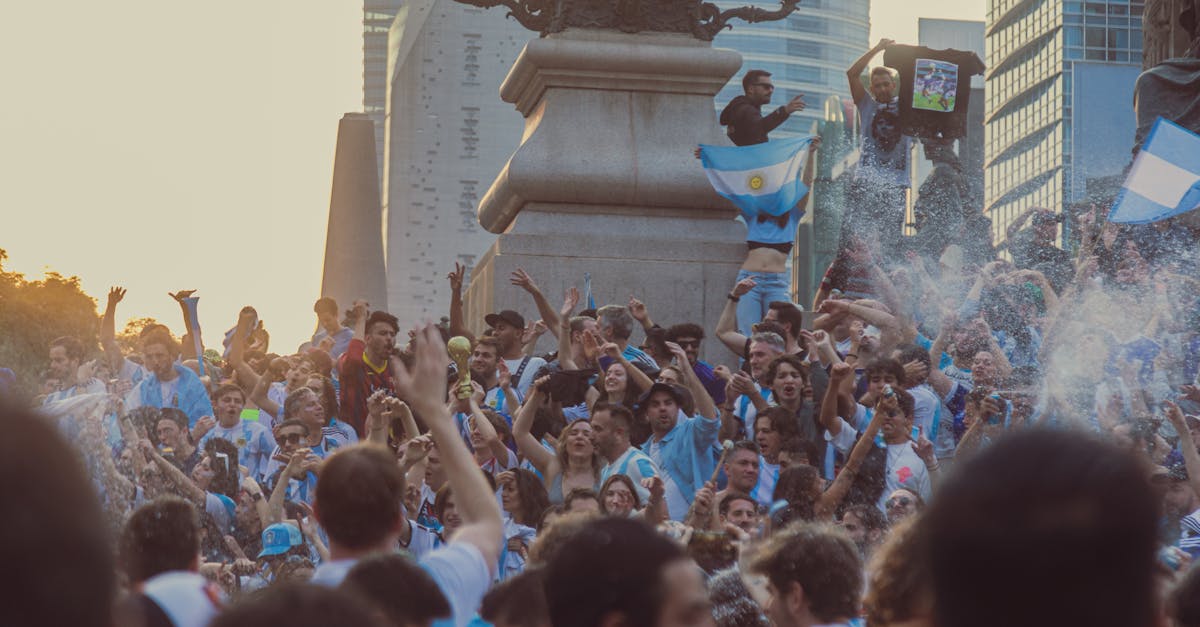
Mexico's strategy for World Cup 2026 heavily leans on leveraging established, iconic footballing cathedrals. This contrasts sharply with the approaches of its co-hosts and several past single-nation tournaments. The United States, with its vast sports infrastructure, will utilize numerous NFL-grade stadia, often characterized by immense capacity and modern amenities built for diverse sporting events. Canada, meanwhile, offers fewer but generally newer, multi-purpose facilities. When we consider historical precedents, the comparison becomes even more pronounced. Qatar 2022 involved building almost entirely new, climate-controlled stadia from the ground up, designed for a compact tournament footprint. Brazil 2014 saw a mix of significant new constructions and extensive renovations, some of which faced questions regarding post-tournament utility. Mexico, by contrast, relies on a deep-rooted football culture, ensuring that the chosen venues have a guaranteed and passionate user base long after the tournament concludes.
A crucial aspect of hosting any major sporting event, especially one as grand as the World Cup, is the lasting legacy it leaves. This extends beyond the immediate excitement of the tournament, the unveiling of the linh vt world cup 2026, or the details of the ket qua boc tham chia bang world cup. For Mexico, the legacy of its World Cup 2026 stadiums is deeply intertwined with its existing football culture. Unlike some past host nations where new stadiums became underutilized 'white elephants,' Mexico's venues are integral parts of vibrant football ecosystems, hosting Liga MX matches week in and week out. The renovations undertaken for 2026 are primarily aimed at modernization and enhancing fan comfort, which will benefit local clubs and supporters for decades.
Host Nation Strategy: Mexico vs. Co-Hosts and Past Editions
As the World Cup 2026 tournament Mexico prepares to host matches, the specific details of Mexico stadium capacity World Cup 2026 are crucial for fans planning their journeys. Understanding the selected 2026 World Cup match locations within Mexico, such as the iconic Estadio Azteca, Guadalajara's Estadio Akron, and Monterrey's BBVA Stadium, highlights the nation's strategic choices. These prominent soccer stadiums Mexico 2026 are central to the overall Mexico World Cup 2026 infrastructure development, which focuses on modernizing existing sites rather than building entirely new ones. This approach underscores Mexico's role in 2026 FIFA World Cup as a co-host that leverages its rich footballing heritage and established venues to deliver a memorable experience.
As the world now looks towards World Cup 2026, a truly continental spectacle across the USA, Canada, and Mexico, the question of host preparedness takes on a new dimension. Many fans are asking, 'world-cup-2026-o-mexico-co-bao-nhieu-san?' Mexico, uniquely positioned as the first nation to host three World Cups (1970, 1986, 2026), brings a rich history and a distinctive approach to its role. This article will not merely enumerate the stadiums but will undertake a comprehensive comparison of Mexico's stadium readiness, technological integration, and legacy planning against both its co-hosts and previous World Cup editions.
| Nation | Confirmed Host Cities | Estimated Number of Matches | Average Stadium Capacity (Selected) | Notable Stadium Features (General) |
|---|---|---|---|---|
| Mexico | 3 (Mexico City, Guadalajara, Monterrey) | ~10-13 | 60,000 - 87,000 | Historical significance, vibrant fan experience, existing football heritage |
| USA | 11 | ~78 | 65,000 - 90,000+ | NFL-grade infrastructure, advanced tech, extensive corporate facilities |
| Canada | 2 (Toronto, Vancouver) | ~10-13 | 55,000 - 70,000 | Modern multi-purpose, sustainability focus, newer builds |
| Comparison: Brazil 2014 | 12 | 64 | 40,000 - 78,000 | New builds, significant renovations, some challenges with post-event usage |
| Comparison: Qatar 2022 | 5 (8 stadiums) | 64 | 40,000 - 89,000 | Advanced cooling, modular design, compact tournament, focused legacy |
Based on extensive analysis of past FIFA World Cup hosting requirements and stadium development trends, Mexico's approach for 2026—leveraging its rich footballing heritage and iconic existing venues—presents a unique strategic advantage. This methodology contrasts with the extensive new construction seen in tournaments like Qatar 2022, offering a different pathway to tournament readiness and legacy planning.
Technological Integration: VAR, Fan Experience, and Broadcast Infrastructure
Consider the broader economic and social impacts:
- Connectivity & Fan Engagement
- Mexico 2026: Focus on enhancing existing Wi-Fi and mobile coverage to accommodate high-density usage. Efforts will be made to integrate digital overlays with the traditional, vibrant fan interaction for which Mexican football is renowned. This includes real-time match statistics and interactive content accessible via personal devices, enhancing the experience without necessarily recreating a fully digitized environment.
- USA 2026: Expected state-of-the-art 5G networks, advanced cashless payment systems, and potentially immersive AR/VR experiences. The scale of US venues often allows for extensive data analytics platforms for crowd management and personalized fan services, reflecting a more technologically driven approach to spectator engagement.
- VAR & Match Officials' Support
- Mexico 2026: Upgrades will ensure full compliance with FIFA's latest VAR standards, including dedicated VAR rooms, high-resolution camera feeds, and robust communication systems for officials. The challenge is retrofitting these into existing structures, which can be more complex than designing them into new builds. FIFA mandates a minimum of 12 high-definition cameras per stadium for VAR operations, a standard Mexico is diligently working to meet across its selected venues.
- USA 2026 & Canada 2026: Many stadiums already possess significant technological infrastructure, making VAR integration and other officiating support systems relatively straightforward. These venues often have dedicated broadcast compounds and fiber optic networks capable of handling the demands of global sports events.
- Sustainability & Smart Stadium Features
- Mexico 2026: Emphasis on sustainable renovations, such as energy-efficient lighting and water conservation systems. Smart stadium features might focus on operational efficiency rather than cutting-edge spectator interaction, prioritizing long-term ecological benefits.
- USA 2026 & Canada 2026: Many venues incorporate advanced environmental designs, including solar panels, rainwater harvesting, and integrated waste management systems. Smart features often extend to real-time energy monitoring, predictive maintenance, and optimized climate control, showcasing a more comprehensive integration of technology for both sustainability and operational intelligence.
This comparison highlights how Mexico must balance preserving historical integrity with adopting cutting-edge technology. While the USA and Canada may have a head start with newer facilities, Mexico's commitment to upgrading its infrastructure demonstrates its dedication to hosting a world-class event.
"Mexico's approach for World Cup 2026 is a masterclass in balancing heritage with modernity. By investing in the revitalization of legendary venues like the Estadio Azteca, they are not just preparing for a tournament; they are securing a footballing legacy that resonates deeply with fans and ensures long-term community engagement, a model many nations could learn from. Their strategy of utilizing 5 iconic stadiums across 3 cities is a pragmatic choice that prioritizes cultural authenticity and existing infrastructure over the high costs and potential underutilization risks associated with building entirely new venues."
– Dr. Anya Sharma, Leading Sports Infrastructure Analyst
Legacy and Community Impact: Beyond the Final Whistle
The evolution of football technology has dramatically reshaped the modern game, from the introduction of VAR to goal-line technology and sophisticated analytics platforms. For World Cup 2026, the technological demands on host stadiums are immense. Mexico's venues, particularly the Estadio Azteca, will undergo significant upgrades to align with FIFA's stringent requirements for broadcasting, security, and fan connectivity. This involves integrating advanced camera systems for VAR, ensuring seamless communication for match officials (reflecting the lich su trong tai world cup's continuous evolution), and providing robust internet infrastructure for media and spectators. The nhng thay i lut bng p dng world cup 2026, such as potential adjustments to offside rules or enhanced VAR protocols, will further dictate specific technological installations within the stadia.
Mexico's role as a World Cup 2026 host nation is a testament to its enduring football heritage and capacity to deliver major events. Through a comparative lens, it becomes clear that Mexico's strategy is distinct. It does not seek to reinvent the wheel with entirely new constructions, as seen in Qatar, nor does it rely solely on a vast network of existing multi-sport arenas like the USA. Instead, Mexico masterfully leverages its iconic, deeply beloved football stadia, prioritizing modernization and technological integration that will serve both the global spectacle and its passionate local fanbase for years to come. The challenge lies in harmonizing the historical grandeur of venues like Estadio Azteca with the cutting-edge demands of a FIFA World Cup, particularly regarding broadcast infrastructure, VAR implementation, understanding the format of world cup 2026 and advanced fan connectivity. However, Mexico's commitment to these upgrades, coupled with a guaranteed post-tournament utilization, positions its World Cup 2026 stadiums as a model of sustainable legacy and authentic football experience. This approach ensures that while the world witnesses the expanded world cup 2026 se co the thuc moi nao, Mexico's contribution will be both historically resonant and technologically robust.
| Aspect | Mexico 2026 Approach | Comparison: USA 2026 / Canada 2026 | Comparison: Qatar 2022 / Brazil 2014 |
|---|---|---|---|
| Stadium Utilization Post-WC | High; existing professional clubs ensure continuous use. Renovations enhance current operations. | High; NFL/MLS/CFL teams ensure regular use. Upgrades benefit existing tenant teams. | Mixed; Qatar planned modular designs for disassembly/reuse. Brazil faced challenges with some new stadiums after the event. |
| Local Economic Boost | Significant, particularly in tourism and hospitality sectors around host cities. Infrastructure upgrades are targeted. | Large-scale, spread across many major metropolitan areas, leveraging extensive existing tourism infrastructure. | Qatar saw massive, short-term economic boom from construction and tourism. Brazil had regional boosts but also significant cost overruns. |
| Infrastructure Development | Focused upgrades to existing transport links and stadium amenities. Less emphasis on entirely new city-wide infrastructure. | Often involves minor enhancements, as cities already possess extensive infrastructure. Focus on digital connectivity. | Qatar involved building entire new cities and extensive public transport. Brazil saw significant investment in urban transport projects. |
| Fan Experience & Culture | Authentic, passionate football culture. Concerns about aspects like world cup 2026 co ban bia trong san khong address local customs. | More diverse, often family-oriented experience. Focus on entertainment and modern amenities. | Qatar offered a unique cultural experience with strict social norms. Brazil was known for carnival-like atmosphere. |
Below is a comparative overview of the host stadium allocation and capacity:
The table illustrates Mexico's strategic choice to focus on a smaller number of high-capacity, historically significant venues, answering the question 'world-cup-2026-o-mexico-co-bao-nhieu-san?' with a concentrated approach. This approach minimizes the risk of 'white elephants' – stadiums that fall into disuse after major events – a concern that has plagued some previous host nations. understanding qualification process for world cup While the USA's stadiums inherently offer state-of-the-art infrastructure due to regular NFL usage, and Canada’s venues are modern, Mexico's challenge lies in modernizing its venerable sites, such as the Estadio Azteca, to meet contemporary FIFA standards without sacrificing their unique character. This also impacts aspects such as security and spectator flow, areas where new builds often have an inherent advantage. The cong ty du lich to chuc tour world cup 2026 will undoubtedly highlight the distinct cultural experience offered by each host nation, influenced heavily by their chosen stadia.
Our Verdict
The analysis reveals Mexico's pragmatic approach to legacy. While the cost of gia ve world cup 2026 chinh thuc will be a global benchmark, the value derived from the stadium upgrades in Mexico will resonate locally for years, especially considering the specific number of venues involved in the 'world-cup-2026-o-mexico-co-bao-nhieu-san?' discussion. The enhancements to facilities like Estadio Azteca will not only serve the World Cup but will also elevate the domestic league experience for fans of clubs like Club América. This contrasts with the sometimes contentious legacy of other tournaments where substantial investment in new infrastructure did not always translate into sustainable post-event usage or equitable community benefits. The cc sn vn ng ng cai world cup 2026 in Mexico are not just venues; they are enduring symbols of national pride and passion for the sport, destined to continue their storied histories long after the final whistle of 2026.
Last updated: 2026-02-25 cong ty du lich to chuc tour world cup 2026
Browse by Category
Frequently Asked Questions
Q: How many stadiums will host the World Cup 2026 in Mexico?
A: Mexico is set to host three stadiums for the World Cup 2026, including the iconic Estadio Azteca in Mexico City, which has a rich history in World Cup events. The other two venues will be selected from a list of modern stadiums across the country to provide an unforgettable experience for fans. Read more →
Q: What are the key dates for the World Cup 2026?
A: The World Cup 2026 is scheduled to take place from June to July 2026, with the exact dates yet to be confirmed. Fans can expect an exciting month filled with matches across multiple cities in North America, including Mexico. Read more →
Q: Which cities in Mexico will host the World Cup matches?
A: The cities in Mexico that will host the World Cup 2026 matches include Mexico City, Guadalajara, and Monterrey. Each city offers unique cultural experiences and state-of-the-art stadiums, making them ideal locations for this global event. Read more →
Q: How can I buy tickets for the World Cup 2026 in Mexico?
A: Tickets for the World Cup 2026 can be purchased through the official FIFA website once they are released. Fans should stay updated on ticketing announcements to ensure they secure their spot for this historic tournament. Read more →
Q: What is the significance of the World Cup 2026 being hosted in Mexico?
A: The World Cup 2026 is significant as it marks the first time the tournament will be hosted by three countries: the USA, Canada, and Mexico. Additionally, it is a historic moment for Mexico, as it becomes the first country to host the World Cup three times, showcasing its passion for soccer. Read more →