World Cup 2026 Stadiums: Tech vs. Tradition
I vividly recall my first World Cup match experience as a young fan. It was a humid afternoon, the roar of thousands echoing around a stadium that felt immense and slightly antiquated. The passion was palpable, but the amenities were basic. Fast forward to the upcoming FIFA World Cup 2026, hosted across Canada, Mexico, and the United States, and the landscape of football venues is set to be dramatically different. This tournament is not just about the sport on the pitch; it is a showcase of modern architectural and technological prowess. As we look ahead, it is crucial to compare these new and renovated coliseums not only against each other but also against the legendary grounds that have defined previous editions of this global spectacle, examining how technology has resha the very fabric of the fan experience, a trend that has been steadily evolving since the earliest days of the tournament, hinting at a future where stadium operations are as sophisticated as the game itself.
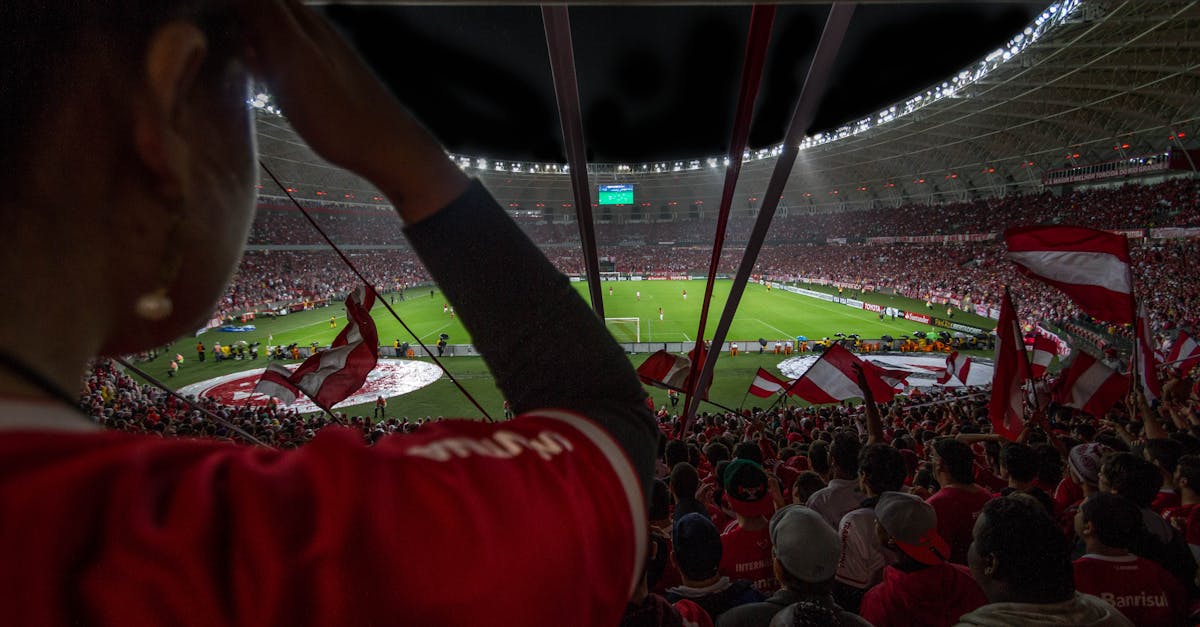
Technological Architectures: Then vs. Now
When considering the top stadiums for the 2026 World Cup, capacity is a primary metric, but the definition of a superior fan experience has broadened considerably. Past tournaments often featured stadiums where the sheer volume of spectators was the main draw, sometimes at the expense of comfort or amenities. For the 2026 event, venues like SoFi Stadium in Inglewood, California, and AT&T Stadium in Arlington, Texas, boast immense capacities and state-of-the-art features, including massive video boards and climate-controlled environments. These facilities represent a significant leap from historical venues, where open-air settings and limited seating arrangements were commonplace. The comparison is not just about how many fans can fit, but how comfortable, engaged, and connected they are throughout their visit. This focus on the holistic fan journey is a key differentiator, moving beyond the basic provision of seats to creating immersive environments that complement the drama of a FIFA World Cup match.
Capacity and Fan Experience: A Comparative View
The World Cup 2026, being the first to be hosted by three nations, presents a unique comparative case study in stadium strategy. While past tournaments often concentrated venues within a single country, allowing for a cohesive national infrastructure development plan, the 2026 iteration requires a blend of leveraging existing, world-class facilities and constructing new ones where necessary. This comparative approach to urban planning and venue selection means stadiums range from extensively renovated historical sites like the Estadio Azteca, which boasts a rich 'a brief history of the fifa world cup' narrative, to entirely new, technologically advanced structures such as SoFi Stadium. The challenge for organizers is to ensure that each venue provides a consistent, high-quality fan experience, irrespective of its location or its technological generation. This global reach necessitates a comparison of how different host cities integrate the tournament into their local fabric, influencing everything from transportation to fan zones and cultural celebrations, much like how 'images fk2e3' might represent diverse visual elements of the event.
This historical table highlights the dramatic evolution in stadium design and technology. The original Maracanã, a titan of its era, represented peak capacity, while the 2014 renovation mirrored the modern trends seen in 2026 venues, albeit on a smaller scale. Iconic grounds like the 1966 Wembley or the 1970/1986 Azteca were celebrated for their atmosphere and scale, but their technological capabilities were rudimentary. They served as stages for legendary performances and 'history of the world cup memorable moments,' but lacked the integrated digital experiences, advanced connectivity, and sustainability features that are now standard. The comparison underscores how 'exploring the impact of technology on world cup matches' extends beyond the field of play to the very infrastructure that hosts them, transforming them from mere sporting arenas into sophisticated entertainment and data hubs.
| Stadium | Host City | Capacity | Notable Technology | Sustainability Focus |
|---|---|---|---|---|
| SoFi Stadium | Inglewood, California | 70,240 (expandable to 100,240) | Dual-sided 80-foot tall video boards, 5G connectivity, AI-driven operations | Solar energy, water conservation, recycled materials |
| AT&T Stadium | Arlington, Texas | 80,000 (expandable to 100,000) | Largest 4K video board in the world, extensive Wi-Fi, mobile integration | Energy efficiency, waste reduction programs |
| Estadio Azteca | Mexico City, Mexico | 87,523 | Renovations include modern seating, enhanced safety systems, improved pitch technology | Water management, energy-efficient lighting |
| MetLife Stadium | East Rutherford, New Jersey | 82,500 | High-density Wi-Fi, mobile ticketing, advanced broadcast facilities | Renewable energy, efficient waste management |
| BC Place | Vancouver, Canada | 54,500 (expandable) | Retractable roof, advanced LED lighting, enhanced connectivity | Geothermal heating, water recycling |
The scale of operations for a tournament spread across three nations, as with the World Cup 2026, presents unique logistical challenges and opportunities. For instance, understanding the 'guide cities hosting world cup 2026' involves appreciating the diverse urban landscapes and existing infrastructure that each venue leverages. This contrasts sharply with tournaments historically centered around a single nation or fewer host cities, where a more unified stadium development strategy might have been employed. The dispersed nature of the 2026 event necessitates a comparison of how each city's chosen venue integrates with its local transport networks, accommodation, and cultural offerings, influencing the overall fan experience beyond the 90 minutes of play.
Sustainability and Legacy: A New Paradigm
The data presented above illustrates a clear trend in stadium development for the 2026 World Cup. Compared to historical venues that might have focused primarily on sheer size and basic amenities, these modern arenas prioritize a multi-faceted fan experience. Technologies like 5G connectivity and AI-driven operations in venues such as SoFi Stadium are designed not only to enhance spectator engagement through seamless app usage and augmented reality features but also to optimize stadium management, from crowd flow to security. Furthermore, the emphasis on sustainability, seen in initiatives ranging from solar energy adoption to water conservation, sets a new benchmark. This is a significant departure from earlier eras where environmental impact was a secondary consideration, if it was considered at all. Exploring the impact of technology on World Cup matches, from advanced VAR systems to the fan's journey within the stadium, reveals a sport that is embracing innovation at every level. Even in smaller-scale updates, such as those planned for livescore_truc tiep/bonyhad volgyseg monor lm3374654 in less prominent leagues, the aspiration for improved technology is evident, albeit on a different scale.
- Advanced Cooling Systems
- Venues in warmer climates, such as those in the US Sun Belt, are equip with sophisticated climate control technologies. For instance, AT&T Stadium features advanced air conditioning systems that can significantly reduce internal temperatures, ensuring player and spectator comfort even during the hottest months. This is a stark contrast to older stadiums which relied on natural ventilation or less efficient cooling methods, often leading to extreme discomfort during matches and impacting performance. The comparison here is between passive environmental design and active, technology-driven climate management.
- Connectivity Infrastructure
- The 2026 stadiums are built with pervasive, high-speed Wi-Fi and 5G capabilities. This allows for seamless use of fan-centric mobile applications, real-time data streaming for analytics, and enhanced broadcast production. In previous World Cups, connectivity was often an afterthought, leading to spotty service and limited digital interaction. This investment in connectivity ensures that fans can share their experiences instantly, access replays, and engage with the game digitally, transforming the stadium into a connected hub. This also indirectly impacts how 'how world cup stars shape transfer strategies' might be analyzed, with richer data potentially available from player tracking within these advanced venues.
- Modular and Adaptable Design
- Several of the 2026 venues incorporate designs that allow for adaptability, such as retractable roofs or seating configurations that can be modified for different event types. This is a direct comparison to older stadiums that were often purpose-built for football and lacked the flexibility to host other major events economically. This adaptability enhances the long-term viability and economic impact of these stadiums, ensuring they remain active community assets far beyond the tournament. The 'keo tai xiu world cup' betting markets might focus on the match itself, but the infrastructure supporting it is undergoing its own transformation.
Global Reach and Local Impact: A Comparative Analysis
The evolution of stadium technology is a compelling narrative, especially when juxtaposed with the infrastructure of past World Cups. While venues like the iconic Estadio Azteca in Mexico City, which hosted two World Cup finals, offered immense capacity and atmosphere, their technological integration was rudimentary by today's standards. The 2026 World Cup venues, however, are being designed or renovated with a focus on connectivity, sustainability, and enhanced fan engagement. This includes advanced Wi-Fi networks capable of handling massive data loads, integrated mobile applications for ticketing, ordering food, and real-time match statistics, and sophisticated broadcasting capabilities that promise to deliver an unparalleled viewing experience both within the stadium and for global audiences following livescore_truc tiep uniao rondonopolis aguia negra lm3244190 or other match updates. This shift reflects a broader trend in sports venues, where the stadium is no longer just a physical space but a connected ecosystem. Comparing this to the 'history of the world cup memorable moments' tied to older grounds highlights a significant paradigm change; the magic remains, but the delivery mechanism is increasingly high-tech.
| Stadium | Host City | Year Hosted | Capacity (Approx.) | Notable Feature | Technological Context |
|---|---|---|---|---|---|
| Maracanã | Rio de Janeiro, Brazil | 1950, 2014 | 200,000 (1950), 78,838 (2014) | Massive capacity (original), modern renovation | Limited electronic infrastructure (1950), significant tech upgrades (2014) |
| Wembley Stadium | London, UK | 1966 | 98,000 | Historic twin towers, iconic venue | Basic broadcast technology, traditional amenities |
| Estadio Azteca | Mexico City, Mexico | 1970, 1986 | 115,000 (original peak) | Two World Cup finals, high altitude | Limited connectivity, focus on scale and atmosphere |
| Olympiastadion | Berlin, Germany | 2006 | 74,475 | Olympic heritage, modern bowl design | Good broadcast facilities for its time, robust infrastructure |
The legacy of a World Cup is often tied to its infrastructure, and for 2026, sustainability is a defining characteristic. Unlike many older stadiums built decades ago, which often faced challenges related to obsolescence and high maintenance costs, the new wave of venues is designed with longevity and environmental responsibility in mind. This includes incorporating renewable energy sources, advanced water management systems, and utilizing recycled or locally sourced materials. For example, stadiums like BC Place in Vancouver are leveraging geothermal heating and water recycling. This forward-thinking approach contrasts with the historical context of many stadiums from past World Cups, where the primary goal was often immediate capacity and functionality for the tournament itself, with legacy planning being less sophisticated. The 'top trends in reprographics 2024' might seem unrelated, but the underlying principle of efficient resource management and advanced material science is echoed in modern stadium construction. The aim is to create venues that are not only fit for the grandest stage but also serve their communities effectively for years to come, avoiding the 'white elephant' syndrome that has plagued some previous tournament venues.
Our Verdict
The stadiums selected for the FIFA World Cup 2026 represent a significant leap forward from the venues of previous tournaments. While the raw passion and historical resonance of legendary grounds will always hold a special place, the modern era demands more. The 2026 venues are characterized by their integration of cutting-edge technology, a strong commitment to sustainability, and a reimagined approach to fan experience. They are designed not just to host matches but to provide immersive, connected, and comfortable environments that cater to the expectations of a global audience accustomed to digital interaction. The comparison with past stadiums reveals a fundamental shift: football venues are evolving from simple structures into complex, intelligent ecosystems. This technological advancement, coupled with a focus on legacy and environmental responsibility, ensures that the 2026 World Cup will not only be a celebration of the sport but also a benchmark for future stadium development worldwide.
Browse by Category
Sources & References
- Transfermarkt Match Data — transfermarkt.com (Match results & squad data)
- ESPN Score Center — espn.com (Live scores & match analytics)
- Opta Sports Analytics — optasports.com (Advanced performance metrics)