doi hinh tieu bieu world cup moi thoi dai - World Cup 2026 Stadium Seating: A Fan's Guide
As a lifelong football supporter, I vividly recall the anticipation leading up to the 2018 World Cup in Russia. The excitement wasn't just about the matches themselves, but also the grand spectacle of it all – the roar of the crowd, the vibrant atmosphere, and, of course, securing the perfect vantage point. My cousin, an avid fan who had travelled from Vietnam, spent weeks poring over stadium layouts, agonizing over which section offered the best view for the crucial group stage games. He wanted to feel the pulse of the action, to witness every pass, tackle, and goal with unparalleled clarity. This quest for the ideal seat is a universal experience for fans, and as we look ahead to the 2026 World Cup, hosted across North America, understanding the nuances of stadium seating charts becomes paramount. It is not merely about finding a place to sit; it is about enhancing the overall fan experience, a critical element often overlooked when discussing the operational complexities of a tournament of this magnitude, especially when compared to how live football scores impact fantasy football leagues or how player ratings standout performers from recent world cup qualifying rounds are analyzed.
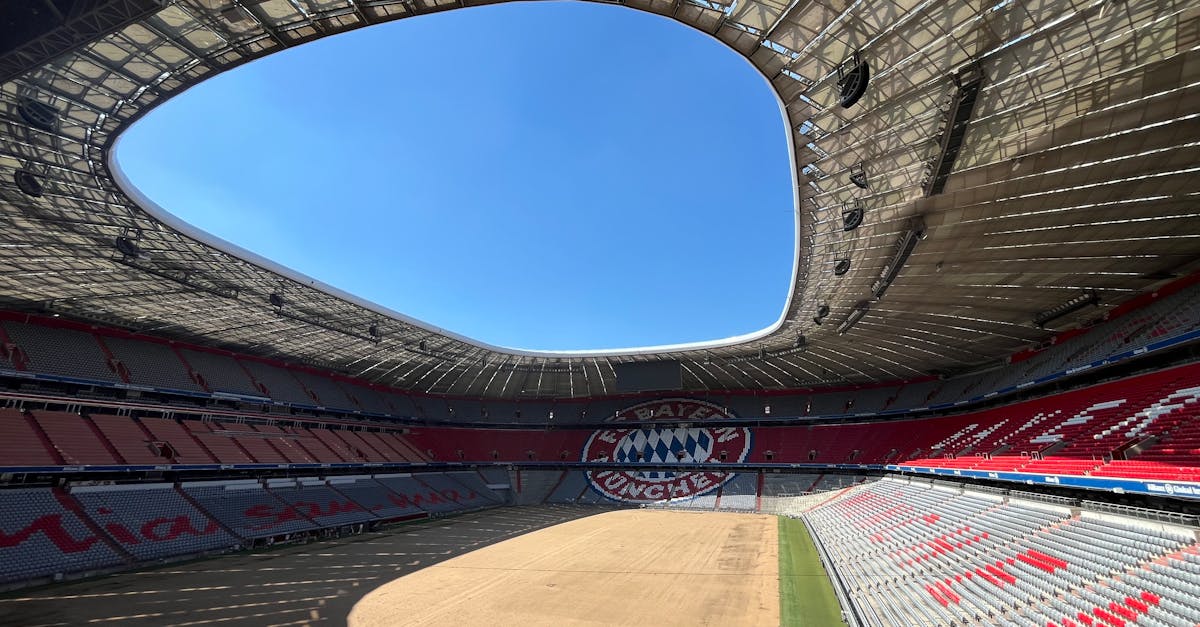
Comparing Venue Capacities: Scale of Spectacle
The sheer scale of the 2026 FIFA World Cup, being co-hosted by the United States, Canada, and Mexico, presents an unprecedented challenge and opportunity in terms of venue management. Unlike previous tournaments, which often concentrated in fewer host nations, 2026 will utilize a record number of stadiums, each with its own unique characteristics and capacities. This decentralization means fans will need to navigate a wider array of venue types, from state-of-the-art modern arenas to more traditional, albeit modernized, stadiums. Understanding these differences is key to appreciating the potential fan experience at each location. For instance, the capacity of a venue directly influences the general atmosphere and the potential for intense fan rivalries and passion behind World Cup moments to manifest. A smaller, more intimate stadium can foster a more intense connection between the fans and the pitch, while a colossal arena offers a sense of grandeur and the potential for a truly global gathering, reminiscent of the world cup fan frenzy seen across social media.
This comparison highlights that while modern facilities generally offer superior comfort and accessibility, historic venues can provide an unparalleled sense of tradition and atmosphere. The choice between them often depends on what a fan values most: cutting-edge amenities or the rich tapestry of football history. This is a decision fans make, much like deciding which live football scores to follow or which player ratings to trust after a match.
| Stadium Name | City | Country | Projected Capacity | Type |
|---|---|---|---|---|
| SoFi Stadium | Inglewood, California | USA | 80,000 (expandable to 100,000) | Modern Arena |
| MetLife Stadium | East Rutherford, New Jersey | USA | 82,500 | Modern Stadium |
| Estadio Azteca | Mexico City | Mexico | 87,000 | Historic Stadium |
| AT&T Stadium | Arlington, Texas | USA | 80,000 (expandable to 100,000) | Modern Stadium |
| Luzhniki Stadium | Moscow | Russia | 81,000 | Renovated Stadium |
| BC Place | Vancouver | Canada | 54,000 | Modern Stadium |
The integration of technology extends to the information provided to fans regarding seating. Interactive 3D seating charts, often available on ticketing platforms, utilize virtual reality (VR) or augmented reality (AR) to give potential attendees a realistic preview of their view. This is a stark contrast to the more rudimentary, static diagrams of past tournaments, and it represents a significant evolution in how fans make informed decisions. This technological leap ensures that fans can better anticipate their experience, whether they are aiming to witness the drama of memorable World Cup final matches or simply enjoy a group stage encounter. It also provides a more objective comparison point than subjective fan reviews or anecdotal evidence, which can be influenced by factors like personal preference or even the outcome of the match.
Seating Tiers and View Quality: Technology's Role
The table above provides a generalized comparison of seating tiers. However, the specific design of each World Cup 2026 venue will introduce unique variations. For instance, some stadiums might feature premium seating areas with enhanced amenities and closer proximity than typical upper-tier seats, blurring the lines between categories. The technological aids listed are increasingly becoming standard, aiming to bridge the gap between the physical viewing experience and the digital information fans have come to expect. This mirrors the way top 5 moments from previous World Cups are often replayed and analyzed through multiple technological lenses, offering fans different perspectives on historical events. The goal is to provide a comprehensive experience, whether you are analyzing Vietnam's performance in a critical qualifier or witnessing a World Cup final.
We can compare the projected capacities of some of the key stadiums that are likely to host matches in the 2026 World Cup. This comparison highlights the vast range of attendee numbers these venues can accommodate, directly impacting ticketing strategies and the overall fan environment. Such a comparison also provides context when evaluating the potential for memorable world cup final matches to unfold in these settings, or how the comprehensive guide to FIFA World Cup qualification might feature specific venues.
| Seating Tier | Typical Distance from Pitch | Pros | Cons | Technological Aids |
|---|---|---|---|---|
| Lower Tier (Front) | Closest to pitch | Intimate view, detailed player interaction, feel the atmosphere | Limited overview, potential for obstructed views behind goalposts | On-screen replays, stadium-wide sound systems |
| Lower Tier (Rear) | Mid-distance | Good balance of detail and overview, less obstructed | Can still lack a full pitch perspective | Large video screens, real-time statistics displays |
| Middle Tier | Further back, elevated | Excellent panoramic view, good for tracking overall play | Less detail on individual player actions | High-definition giant screens, augmented reality overlays (potential) |
| Upper Tier | Farthest from pitch, highest elevation | Full stadium overview, iconic aerial shots, often more affordable | Least detail on pitch action, can feel distant | Large video screens, enhanced sound design |
While the quality of the view is paramount, modern stadium design also places a significant emphasis on accessibility and overall fan comfort. This is a crucial point of comparison when looking at newer venues versus older ones. The 2026 World Cup stadiums, particularly those in the USA and Canada, are largely modern constructions or have undergone extensive renovations, incorporating features mandated by accessibility standards and designed to enhance the supporter journey. This includes wider concourses, ample restrooms, diverse food and beverage options, and, critically, accessible seating for individuals with disabilities. These considerations are often more advanced in newer facilities compared to legacy stadiums, which may require more significant retrofitting. Understanding these aspects is vital for ensuring an inclusive and enjoyable experience for all attendees, a sentiment that resonates across all levels of football, from local leagues to the global stage of the World Cup.
Accessibility and Fan Comfort: Beyond the View
The evolution of stadium amenities reflects a broader trend in the sports and entertainment industry: prioritizing the fan experience holistically. This contrasts with eras where the primary focus might have been solely on the pitch action. The presence of robust Wi-Fi, charging stations, and even apps that allow for in-seat ordering of concessions all contribute to this enhanced comfort. These features are increasingly becoming differentiators when comparing different venues and their appeal to a global audience. When one considers the passion behind World Cup fan rivalries, ensuring comfort and ease of access allows that passion to be expressed more freely and for longer durations.
Beyond mere capacity, the actual seating arrangement within each stadium is a critical factor for fans. Stadiums are typically divided into various tiers – lower, middle, and upper – each offering a different perspective of the game. Modern stadium design, heavily influenced by technological advancements, aims to optimize sightlines across all seating areas. This often involves sophisticated architectural planning and the integration of digital tools to simulate viewing angles before construction even begins. For fans, this translates into varying levels of immersion and clarity depending on their ticket. Lower tiers often provide a more intimate, ground-level view, allowing fans to appreciate the speed of the ball and the players' movements up close. Upper tiers, while offering a panoramic perspective, may require digital enhancements or a keen eye to follow the finer details of the play. This is where the comparison with top live score websites becomes interesting; while these platforms provide instant data, the stadium experience offers a multi-sensory engagement that technology is constantly striving to perfect within the physical space.
- Modern Stadiums (e.g., SoFi, MetLife)
- Often feature state-of-the-art climate control, extensive accessibility features, premium lounges, and integrated digital fan engagement platforms. These are designed from the ground up with fan comfort and technological integration in mind, offering a seamless experience akin to comparing the latest analytics platforms used by professional teams.
- Renovated/Historic Stadiums (e.g., Estadio Azteca)
- While undergoing modernization, they may retain some older structural elements. Accessibility and amenity upgrades are prioritized but might be constrained by original designs. The charm and history, however, can offer a unique atmosphere, a different kind of fan experience compared to brand-new, sterile environments. The intensity of the crowd can often compensate for any perceived lack of modern amenities, contributing to the unique fan rivalries and passion.
The data above illustrates a significant variation in stadium capacities. While venues like MetLife Stadium and Estadio Azteca offer immense seating for huge crowds, contributing to a grand spectacle, stadiums like BC Place, while still substantial, will host a different scale of fan engagement. This difference is crucial when considering the fan experience. For example, the acoustics and sightlines in a 100,000-capacity stadium like SoFi or AT&T might differ vastly from those in a 54,000-capacity venue. This impacts everything from the perceived closeness to the action to the overall noise level generated by the supporters. When comparing these capacities to, say, the stadiums used in analyzing Vietnam performance in World Cup qualifiers, which might be smaller and more intense, it highlights the diverse range of environments fans will encounter. The technology employed in modern stadiums, such as advanced audiovisual systems, also plays a role in compensating for distance in larger venues, aiming to replicate the intimacy found in smaller grounds.
Our Verdict
Navigating the World Cup 2026 stadium seating charts requires a blend of understanding venue capacities, appreciating the nuances of seating tiers, and considering accessibility and comfort. While larger capacities promise a grand spectacle and a global convergence of fans, the role of adidas in shaping modern football gear potentially amplifying the world cup fan frenzy, smaller or more intimate venues can offer a more personal connection to the game. The integration of technology in modern stadiums is bridging the gap between distant seats and pitch-level action, ensuring that most attendees can enjoy a satisfactory view. However, the most memorable World Cup moments, whether it's a stunning goal or a dramatic penalty shootout from memorable world cup final matches, are often amplified by the collective roar of the crowd, a phenomenon influenced by both capacity and fan engagement. For the 2026 tournament, fans are advised to research specific venue layouts, utilize available 3D seating previews, and consider their personal preferences regarding atmosphere versus proximity. Ultimately, securing a seat is the first step in experiencing the unparalleled excitement of the FIFA World Cup, a journey that begins long before the first whistle and extends far beyond the final score, touching upon aspects as diverse as the comprehensive guide to FIFA World Cup qualification and the analysis of Vietnam's performance in past tournaments.
Browse by Category
Sources & References
- Opta Sports Analytics — optasports.com (Advanced performance metrics)
- ESPN Score Center — espn.com (Live scores & match analytics)
- Transfermarkt Match Data — transfermarkt.com (Match results & squad data)
Explore More Topics (15)
- Exploring The Economic Impact Of The World Cup On Host Countries
- The Most Memorable World Cup Upsets
- Repro_carlo Tavecchio
- Top 10 Most Memorable World Cup Moments
- Impact Of Tv Scheduling On Premier League Title Races
- Emerging Stars Players Who Burst Onto The Scene Memorable Matches
- World Cup 2026 Party Betting Fantasy Leagues
- Analyzing World Cup Betting Patterns
- Understanding The Meta Game In League Of Legends
- Huong Dan Dat Cuoc World Cup An Toan
- Top 5 Memorable Moments World Cup History
- World Cup 2026 Fantasy Football And Betting Strategies
- World Cup 2026 C Bn Bia Trong Sn Khng
- How Var Has Changed World Cup Matches And Refereeing
- How Top Players Shape Tactics 2026 World Cup